
Phalacrachena
Phalacrachena
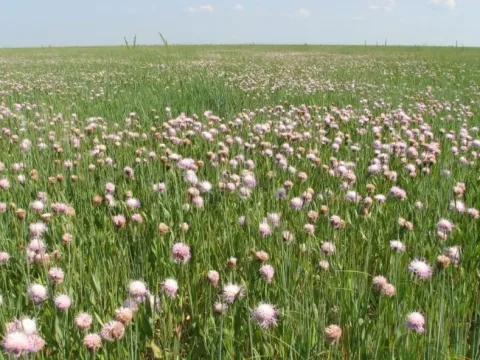
Phalacrachena is a genus of perennial herbaceous plants belonging to the Asteraceae family. It is biologically adapted to harsh environmental conditions, demonstrating high resilience in steppe and semi-arid ecosystems.
What the section contains

Phalacrachena
The plant features a deep taproot system, which serves as a crucial adaptation for extracting nutrients and water from lower soil horizons during prolonged dry spells.
Regarding soil requirements, Phalacrachena thrives in well-drained, porous soils, particularly those with a calcareous base, which promote healthy root development and prevent physiological disorders.
Climatic preferences include high heat summation and extensive sun exposure, which are essential for its metabolic processes and the production of robust floral structures.
Strategic site selection is critical, as the crop is highly sensitive to waterlogging and soil compaction, both of which severely impede its growth potential and yield consistency.
Root rot represents the most significant phytopathological threat to Phalacrachena, typically triggered by excessive irrigation or lack of soil aeration in heavy clay environments.
Insect pests, including aphids and various leaf-eating beetles, may attack the foliage and inflorescences, causing substantial stress to the plant and reducing overall vigor.
Fungal diseases like powdery mildew can emerge under conditions of high humidity and poor air circulation, necessitating careful management of planting density.
Effective weed management is essential during the early establishment phase, as the slow initial growth of the plant makes it susceptible to competition from fast-growing weeds.
Integrated pest management strategies are recommended to mitigate risks, emphasizing biological control and the maintenance of a balanced ecosystem around the field margins.