
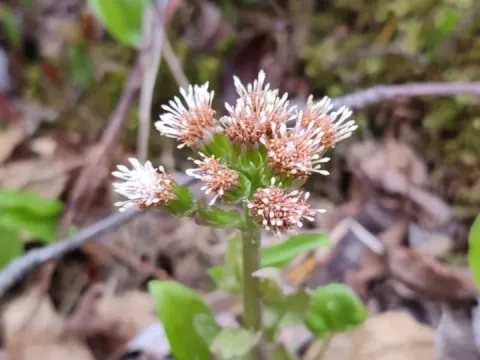
Petasites rubellus
Petasites rubellus
Petasites rubellus, a member of the Asteraceae family, is propagated primarily through vegetative division of the rhizomes to ensure genetic uniformity and rapid establishment.
What the section contains
Petasites rubellus
The optimal planting window is during early spring, immediately after the ground thaws, which allows the root system to adapt to the site conditions.
Late summer or early autumn is also an acceptable time for planting, provided the soil moisture is kept high to facilitate root growth before the winter cold.
Selected rhizome segments should be at least 10 centimeters long and possess visible dormant buds to ensure vigorous sprouting in the following season.
Planting density should be maintained at a spacing of 60 centimeters between rows to allow for optimal canopy development and easier maintenance operations.
The crop thrives in nutrient-rich, moist loam soils that mimic its natural riparian habitats, ensuring a consistent water supply throughout the growing season.
This species is highly adapted to shaded or semi-shaded environments, making it an excellent candidate for cultivation in areas with limited direct sun.
Maintenance of high soil humidity is crucial; while the plant is water-demanding, it requires well-drained conditions to prevent root rot and physiological stress.
Organic fertilizers such as mature compost or well-rotted manure applied in early spring help maintain soil fertility and structure for long-term production.
Protection from wind is recommended to preserve the large leaves, which are sensitive to mechanical damage, ensuring the overall health and vigor of the plants.
Fungal pathogens such as powdery mildew and leaf spot are common threats, especially in plantations with poor air circulation or excessive leaf wetness.
Slugs and snails frequently target the succulent foliage, particularly during damp weather conditions, necessitating the use of mechanical or biological control measures.
Crop monitoring is essential; detecting early signs of rot or insect infestation allows for timely interventions that prevent large-scale damage to the crop.
Weed management should be conducted manually to avoid damaging the sensitive, shallow root systems that spread horizontally across the planting area.
Sanitation practices, including the removal of dead or decaying plant material, play a critical role in minimizing the inoculum source for future fungal outbreaks.
Harvesting Petasites rubellus is typically performed for its rhizomes, which are valued for their pharmacological properties and bioactive components.
The harvest should occur in late autumn after the senescence of the above-ground biomass, ensuring that the concentration of compounds is at its peak.
The rhizomes are carefully excavated from the soil, washed thoroughly to remove debris, and inspected for any signs of disease before processing.
Drying is performed in climate-controlled facilities at temperatures not exceeding 40 degrees Celsius to prevent the degradation of thermolabile substances.
Properly dried rhizomes are stored in moisture-proof containers in a cool, dark location to maintain their stability and efficacy over an extended shelf life.