
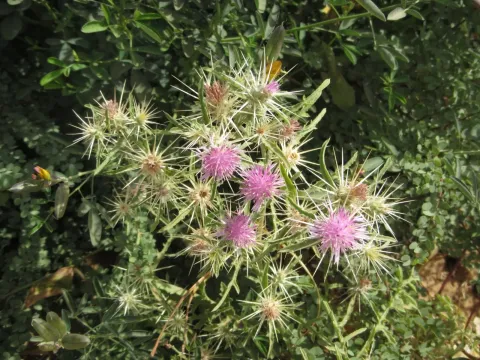
Perrottet's knapweed
Centaurea perrottettii
Perrottet's knapweed is a thermophilic herbaceous plant, requiring stable soil temperatures for successful germination, typically starting in late spring.
What the section contains
Perrottet's knapweed
The optimal soil temperature for sowing is between +15 and +18 degrees Celsius, ensuring rapid emergence and establishing a strong foundation for the crop.
The standard agricultural practice involves row sowing with approximately 45 centimeters between rows to ensure adequate space for development and maintenance.
Due to the small size of the seeds, they should be sown at a shallow depth of no more than 2 centimeters to ensure they have sufficient moisture for sprouting.
In cooler regions, greenhouse start or the use of protective covers can significantly improve the survival rate and growth speed of young seedlings.
This crop thrives in sunny, open locations with well-drained, fertile soil that maintains a neutral pH level for optimal nutrient availability.
While the plant shows moderate tolerance to dry conditions, adequate irrigation during the budding and flowering stages is essential for high-quality yields.
Waterlogging is extremely detrimental to this species; therefore, selecting sites with natural slope or high-quality artificial drainage is highly recommended.
Application of balanced mineral fertilizers during the vegetative stage helps in promoting healthy leaf development and increasing the density of flower buds.
Organic soil amendments, such as compost or well-rotted manure applied before planting, contribute significantly to the overall health and vigor of the plants.
Fungal diseases like powdery mildew and root rot represent the most significant threats to the crop, especially in areas with poor ventilation and high humidity.
Preventive measures include maintaining proper row spacing, rotating crops periodically, and ensuring that no debris remains on the field after the season.
Pests such as aphids and spider mites may infest the foliage during warm, dry weather, potentially weakening the plants and reducing their decorative or useful value.
Integrated pest management, including the use of biological control agents, is the preferred method for managing infestations in sustainable agricultural setups.
Good weed control practices are vital, as they reduce competition for nutrients and water, thereby making the knapweed plants more resilient to environmental stress.