
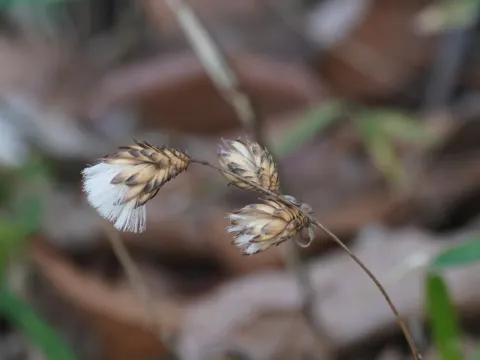
Pertya
Pertya
Cultivation of Pertya typically starts with high-quality seeds sown in early spring. It is essential to choose a well-prepared seedbed with fine soil structure to ensure optimal contact between seeds and the substrate.
What the section contains


Pertya
Stratification of seeds for several weeks in a cool environment significantly improves germination rates. This mimics natural conditions and prepares the embryo for active growth when temperatures rise.
Seeds should be sown at a shallow depth, barely covering them with a light layer of soil or fine compost. Maintaining consistent surface moisture is crucial until the seedlings emerge, which usually takes two to three weeks.
Once the seedlings develop two sets of true leaves, they should be thinned out or transplanted into individual containers. This allows each plant to develop a strong root system without competition for nutrients.
Hardening off the plants is a necessary step before moving them to their permanent outdoor location. Gradually exposing the seedlings to outside temperatures strengthens their stems and leaves against wind and sun.
Pertya belongs to the Asteraceae family and thrives in temperate climates with well-distributed rainfall. It prefers locations that receive partial shade, especially in areas with intense afternoon sunlight.
The soil should be fertile, slightly acidic to neutral, and rich in organic matter. Adding well-rotted manure or compost to the soil before planting will provide the nutrients necessary for robust growth.
Proper drainage is essential, as Pertya does not tolerate waterlogged conditions. In heavy soil types, incorporating coarse sand or perlite can significantly improve drainage and prevent root rot.
Watering should be balanced throughout the growing season. While the plants prefer moist conditions, they should not be left in saturated soil for extended periods, as this invites fungal infections.
In terms of climate, Pertya prefers moderate temperatures. Protecting the plants from extreme heat and heavy frost is important for maintaining their overall health and aesthetic appeal.
Pest management is a critical aspect of Pertya maintenance. Aphids and spider mites are the most common insects that attack the foliage, particularly during dry and warm weather spells.
Fungal diseases, such as powdery mildew, often occur in areas with poor airflow and high humidity. Ensuring adequate spacing between plants is the best preventative measure against these infections.
Using horticultural oils or insecticidal soaps can be effective for managing minor pest infestations without harming the plant's natural balance. It is best to treat early in the morning.
Regular monitoring of the underside of leaves helps identify pests early. Early detection significantly reduces the need for heavy chemical intervention and protects the environment.
Maintaining a clean growing area by removing fallen leaves and debris in the autumn prevents pathogens from overwintering. This simple practice ensures a better start for the next growing season.