
Pericallis webbii
Pericallis webbii
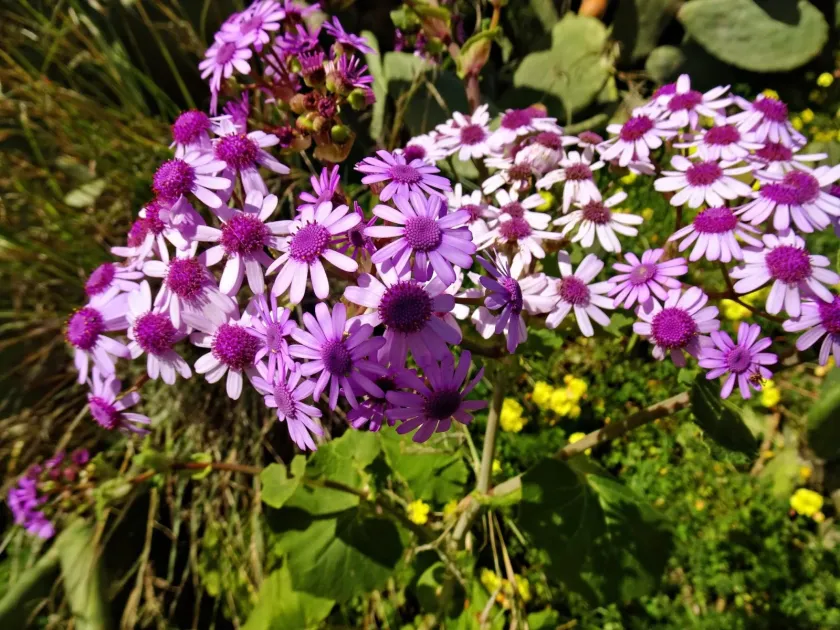
Description
Sowing dates
The propagation of Pericallis webbii is primarily achieved through seeds, typically performed in controlled greenhouse conditions. The sowing season usually starts in late summer to ensure early spring bloom.
Seeds are surface-sown on a fine, moist substrate, as they require light to germinate effectively. They should be pressed gently into the soil rather than covered deeply.
Temperature control is critical during the germination phase, which should be kept consistently between 18 and 20 degrees Celsius to avoid seed dormancy issues.
Once seedlings develop their first true leaves, they are transplanted into individual pots. This stage requires careful handling to protect the delicate root system from physical stress.
Hardening off is a necessary step before the plants reach their final growth stage, ensuring they are adjusted to the environmental conditions of the nursery or garden environment.
Growing requirements
Pericallis webbii belongs to the Asteraceae family and is native to the Canary Islands, favoring mild, humid environments with stable climatic conditions.
The plant requires a well-drained, porous potting medium enriched with organic matter. High soil aeration is essential to prevent root asphyxiation, which is a common issue in heavy soils.
Optimal light conditions include bright, filtered sunlight. Exposure to intense, direct midday sun can cause dehydration and leaf necrosis, damaging the plant's aesthetic value.
Irrigation should be precise; the soil must remain consistently moist but never waterlogged. Monitoring the plant's leaf turgor is a good indicator of its water requirements.
Temperature management should be maintained within a 12–18 degree Celsius range during the growth phase to ensure strong, compact stems and profuse flowering.
Main diseases and pests
Common pests affecting this crop include aphids and spider mites, which thrive in low-humidity conditions within greenhouses or interior environments.
Powdery mildew is the most frequent pathological threat, caused by poor air circulation and high-humidity fluctuations that stress the foliage.
Root rot, typically associated with Pythium or Phytophthora species, occurs frequently if the drainage system of the pots is inadequate.
Integrated pest management strategies, focusing on biological controls and proper ventilation, are recommended to maintain plant health without harsh chemical use.
Regular monitoring and the removal of yellowing or necrotic leaves are essential preventive practices to maintain the overall vigor and health of the plant population.