
Pericallis aurita
Pericallis aurita
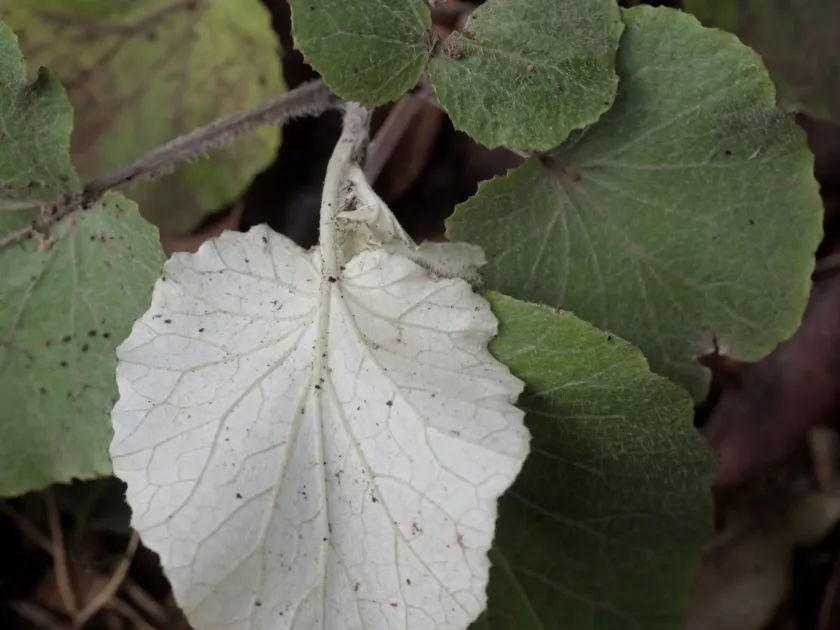
Description
Growing requirements
Pericallis aurita is a member of the Asteraceae family, endemic to the Canary Islands. It is primarily recognized as a specialized decorative crop valued for its unique foliage and floral display.
The plant thrives in cool, humid environments. It is highly sensitive to direct, intense sunlight and requires protection from extreme temperatures, making it suitable for temperate greenhouse production or sheltered garden spots.
Soil requirements involve a loose, well-draining substrate rich in organic matter. Maintaining a slightly acidic to neutral pH is essential for optimal nutrient uptake and general plant vigor.
Agrotechnical management requires consistent but moderate watering. The root system is prone to damage from waterlogging, so effective drainage is a critical prerequisite for cultivation success.
Commercial use is largely focused on the nursery sector, where it is cultivated for ornamental purposes in pots or as a seasonal feature in managed landscapes requiring controlled environmental conditions.
Main diseases and pests
The main pests affecting Pericallis aurita include aphids and spider mites, which can proliferate rapidly in greenhouse conditions if air circulation is insufficient or humidity is improperly managed.
Fungal diseases, particularly powdery mildew and various types of root rot, are the most significant threats to plant health, often exacerbated by stagnant air and excessive soil moisture.
Pest control strategies rely on integrated management practices, including regular monitoring and the judicious use of selective insecticides when pest thresholds are exceeded.
Disease management focuses on preventive measures such as maintaining optimal plant spacing, ensuring efficient ventilation, and strictly regulating irrigation schedules to keep foliage dry.
In case of severe infection, targeted fungicide applications are necessary, though environmental modification remains the most effective and sustainable tool for disease suppression in this species.