
Pericallis hybrids
Pericallis hybrids
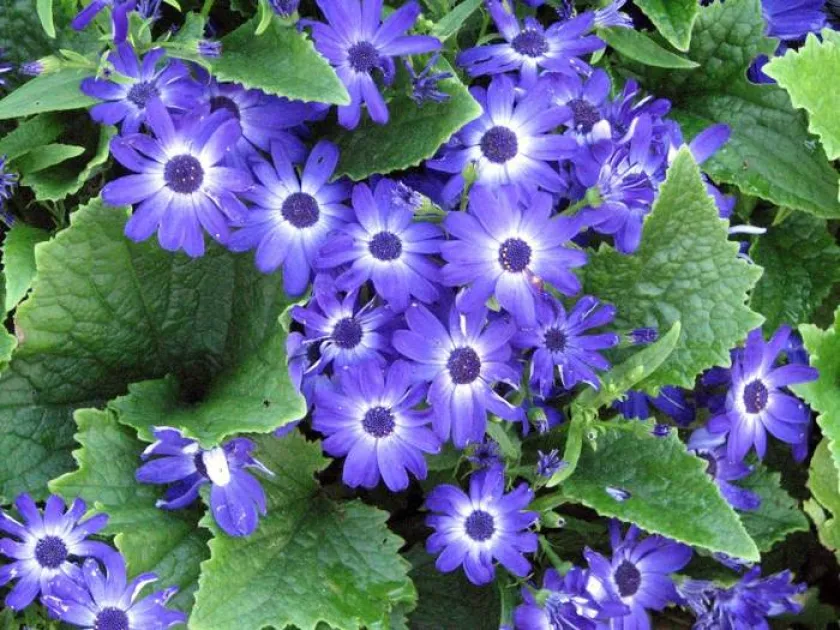
Description
Sowing dates
Pericallis hybrids, commonly known as florists' cineraria, are generally grown as annual pot plants. Sowing is typically carried out from mid-summer to early autumn to ensure winter or spring blooms.
The seeds are very small and should be sown on the surface of a fine, moist growing medium. They require light to germinate, so they should be covered only with a thin layer of substrate.
Maintaining a temperature of about 18 to 20 degrees Celsius is essential during the germination phase. The environment must be kept humid to ensure uniform emergence of seedlings.
Once seedlings have developed two true leaves, they should be transplanted into individual small pots. Proper spacing is crucial to prevent the plants from becoming leggy or overcrowded.
Continuous monitoring during the early development stages is necessary to ensure the plants establish a strong root system before they enter the rapid growth phase.
Growing requirements
Native to the Canary Islands, this member of the Asteraceae family thrives in cool and humid conditions. It is highly sensitive to heat and dry indoor air, which can cause rapid wilting.
The ideal temperature range for flowering is between 10 and 15 degrees Celsius. If temperatures exceed 20 degrees, the plant will finish its flowering cycle prematurely.
The soil should be well-drained, porous, and nutrient-rich. A peat-based mixture with good water retention properties is recommended, but standing water must be strictly avoided.
Pericallis requires bright, filtered light. While it loves illumination, intense, direct sunlight during the midday hours can easily scorch the delicate foliage.
Regular watering is required to keep the soil consistently moist. However, it is important to keep the foliage dry to prevent potential rot issues during the colder months.
Main diseases and pests
Gray mold, caused by Botrytis, is a significant threat in greenhouse environments. It develops quickly in conditions with poor airflow and high humidity around the foliage.
Powdery mildew is another common fungal issue, appearing as white spots on leaves. Improving ventilation and air circulation is the best preventative measure against this pathogen.
Aphids and whiteflies are the most common pests affecting this culture. These insects feed on plant sap and can severely weaken the plant if left unchecked.
Spider mites can become problematic if the relative humidity falls too low. Regular checks and maintaining stable environmental conditions help to suppress their population.
Integrated pest management strategies, including the use of targeted insecticides and maintaining strict hygiene, are essential for producing high-quality commercial plants.