
Pericallis malvifolia
Pericallis malvifolia
Description
Growing requirements
Pericallis malvifolia is an herbaceous perennial belonging to the Asteraceae family. Native to the Azores archipelago, it is specifically adapted to the humid and stable climatic conditions of the Macaronesian region, often found in high-altitude environments.
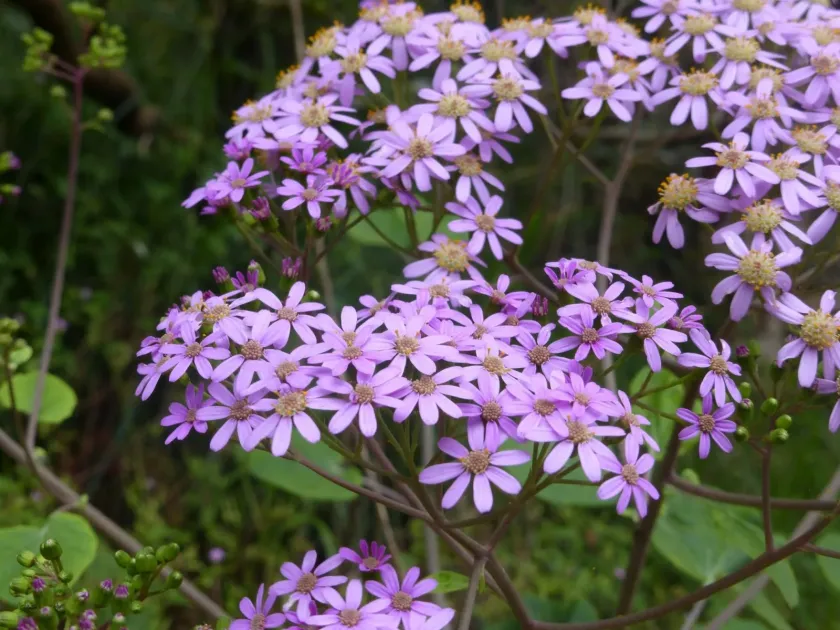
The plant features distinct malva-like leaves and produces clusters of small flowers, making it a point of interest for botanical gardens and collectors of island flora. Its vegetative structure is designed to maximize photosynthesis in low-light forest environments.
Regarding climate, this species requires consistent conditions with high humidity and moderate temperatures. It is highly sensitive to extreme heat and dry air, which can cause rapid desiccation of the foliage and overall plant decline.
Soil composition must prioritize drainage while maintaining nutrient levels. A mix of organic matter, such as peat or compost, blended with perlite or pumice, creates an ideal growing medium that prevents root waterlogging and promotes healthy development.
The primary use of Pericallis malvifolia is ornamental. It is valued for its unique island-endemic status and its ability to add aesthetic variety to temperate greenhouse displays where precise environmental control can be maintained throughout the year.
Main diseases and pests
The most common pests affecting Pericallis malvifolia are aphids and spider mites. These insects thrive in dry conditions and can cause significant damage to the plant by sucking nutrients from the leaves, leading to stunted growth.
Fungal diseases are a major concern for this species, especially Botrytis and powdery mildew. These pathogens flourish when there is poor air circulation, high relative humidity, and excess moisture on the foliage surface.
Cultural control measures include ensuring adequate spacing between plants and utilizing fans to maintain constant air movement. This prevents the microclimate around the foliage from becoming stagnant and overly humid, which is vital for disease prevention.
Root health is equally important; overwatering often leads to anaerobic conditions in the soil, which triggers the development of Pythium or other root-rotting pathogens. Proper irrigation management is therefore the most effective form of plant protection.
Integrated pest management (IPM) strategies, including the introduction of beneficial predatory mites or the use of neem oil, are recommended for maintaining the health of the plants while minimizing the impact of chemical pesticides.