
Parasenecio hastatus
Parasenecio hastatus
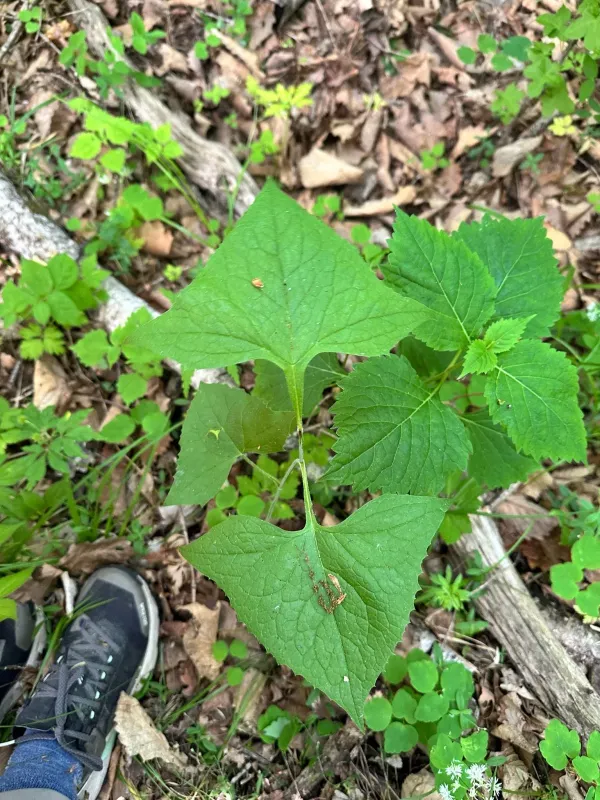
Description
Sowing dates
Propagation of Parasenecio hastatus is typically achieved through seed or division of rhizomes. When using seeds, cold stratification for 60-90 days is essential to break dormancy and ensure uniform germination during the spring planting season.
Seeds should be sown in a light, sterile seed-starting mix. Covering them with a thin layer of soil is recommended, as they require a stable, humid environment. Keeping the seed tray away from direct heat is crucial for successful seedling establishment.
When transplanting into the field, spacing should be set at approximately 30-40 cm apart to allow for rhizomatous expansion. Early spring, when the soil is workable and moist, is considered the ideal time for establishing new plots.
Division of mature rhizomes is the preferred commercial method for propagation, as it ensures genetic consistency and faster plant growth. Dividing rhizomes into sections containing at least two healthy nodes is the standard procedure for rapid expansion.
Ongoing care involves regular mulching with organic material to retain moisture and suppress weeds. Because the plant is sensitive to drought, providing supplementary irrigation during dry spells is necessary to maintain high leaf quality for harvesting.
Growing requirements
Parasenecio hastatus, commonly known as the arrow-leaf cacalia, is a perennial herbaceous plant belonging to the Asteraceae family. Native to the forests of East Asia, it thrives in cool, shaded environments with high soil fertility and consistent moisture.
The plant requires specific microclimatic conditions to reach its full development. It prefers partial shade, as direct, intense sunlight often causes leaf scorching and disrupts the natural physiological processes of the plant, which is accustomed to forest understory conditions.
Optimal soils for Parasenecio hastatus are well-drained, humus-rich loams with a neutral or slightly acidic pH. The root system is shallow and sprawling, making it sensitive to soil compaction, which hinders nutrient uptake and water absorption.
Botanically, it is characterized by its distinct arrow-shaped leaves and tall, erect stems that can grow up to 100 centimeters in height. Its hardiness is supported by a robust rhizome, allowing it to survive cold winters in temperate and sub-boreal zones.
In terms of agricultural use, this species is cultivated both for its nutritional value and medicinal properties. The young leaves are often harvested for salads or cooked greens, appreciated for their unique flavor profile and rich vitamin content.
Main diseases and pests
The primary threats to Parasenecio hastatus are fungal infections such as powdery mildew, which flourish in poor ventilation and high humidity. Proper spacing and airflow management within the rows significantly reduce the incidence of these diseases.
Gastropods, particularly slugs and snails, are major pests that feed on the tender young foliage. Implementing integrated pest management, such as physical barriers or biological controls, is vital to protect the aesthetic and commercial value of the crop.
Aphids may infest the plant during the mid-summer months, causing curled leaves and stunted growth. If treatment is necessary, organic, non-toxic horticultural sprays are recommended to maintain the plant's food safety standards for consumers.
Root rot is a major physiological threat often linked to poor drainage or overwatering. Maintaining the structure of the soil is paramount; if the site becomes waterlogged, the rhizomes will quickly succumb to rot, leading to plant mortality.
To prevent the buildup of soil-borne pathogens, it is recommended to implement a crop rotation schedule every few years. Sanitation practices, such as removing debris and dead foliage at the end of the season, further minimize the risk of pest and disease carryover.