
Parasenecio amagiensis
Parasenecio amagiensis
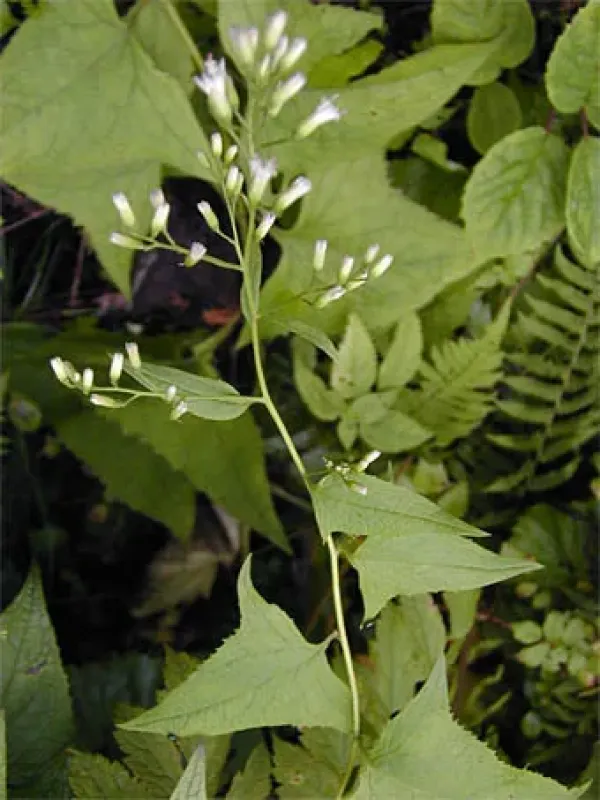
Description
Growing requirements
Parasenecio amagiensis is a perennial herbaceous plant belonging to the Asteraceae family. This species is native to specific mountainous regions of Japan, where it thrives in cool, sheltered environments characteristic of its natural habitat.
The plant has specific environmental requirements, primarily favoring partial shade or diffused light conditions. Direct sunlight, especially in the afternoon, can be detrimental to the foliage and may lead to stunted growth or leaf dehydration.
Optimal growth is achieved in well-drained, fertile soil enriched with organic matter. Maintaining a slightly acidic to neutral pH level is essential for ensuring that the plant efficiently absorbs necessary nutrients for development.
Botanically, this species is noted for its distinct growth habit and structured foliage, which make it a valuable addition to specialized collections. During the growing season, consistent soil moisture is crucial for maintaining the plant’s health and vitality.
Agrotechnical management involves regular mulching to keep the root zone cool and hydrated, especially during the warmer months. Adequate spacing between plants is recommended to ensure proper air circulation and to prevent the build-up of moisture around the foliage.
Main diseases and pests
Fungal diseases are among the most common threats to Parasenecio amagiensis, typically arising from high humidity and poor air movement. Proper sanitation and spacing are critical preventive measures to avoid the spread of pathogens.
Slugs and snails represent the primary pest challenge for this species, particularly in regions with high rainfall. These mollusks can cause significant damage to young shoots and leaves, necessitating manual control or the use of approved molluscicides.
In indoor or greenhouse settings, infestations of aphids or spider mites may occur. Early detection through regular monitoring and the application of appropriate biological or chemical treatments can successfully mitigate these pest issues.
Root rot is frequently associated with waterlogged soil and poor drainage systems. To prevent this, it is essential to incorporate coarse sand or gravel into the planting substrate to improve permeability and oxygen supply to the roots.
Integrated pest management strategies should focus on maintaining overall plant health. Well-nourished plants are generally more resistant to environmental stressors and have a higher capacity to recover from minor pest or disease pressure.