
Parasenecio auriculatus
Parasenecio auriculatus
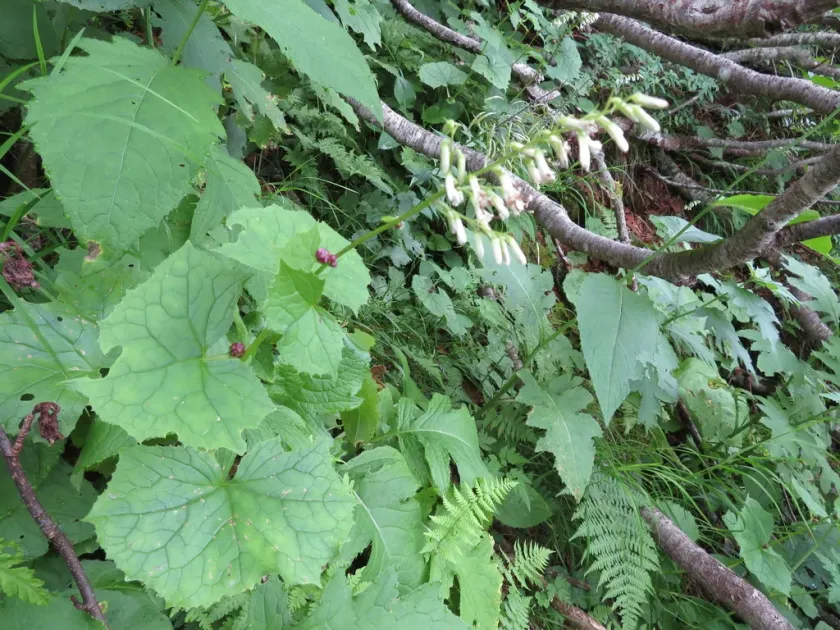
Description
Sowing dates
Parasenecio auriculatus is a perennial herbaceous plant that can be propagated through seeds or by dividing its mature rhizomes during dormancy.
Seed sowing should be performed in the autumn to provide necessary cold stratification, or seeds should be kept in cold storage before early spring planting.
The seeds are small and should be sown at a shallow depth of approximately 1-2 centimeters in well-prepared, loose soil to ensure successful germination.
When propagating by division, the rhizomes should be cut into sections, each containing at least two viable buds to ensure vigorous new growth.
Spacing between plants should be maintained at 30-40 centimeters to allow for adequate air circulation and to prevent overcrowding in the garden beds.
Growing requirements
As a member of the Asteraceae family, this species thrives in partially shaded environments, reminiscent of its natural forest habitat.
The soil must be rich in organic matter, slightly acidic to neutral in pH, and possess excellent drainage capabilities to avoid root rot.
Consistent moisture is essential for this plant; however, it is highly sensitive to waterlogged conditions which can lead to quick decline.
The climate requirements include temperate conditions with mild summers; the plant is known for its high frost tolerance during winter months.
Wind protection is beneficial as the broad leaves can be prone to mechanical damage in exposed locations during high-wind events.
Yield
The primary yield from this crop consists of its foliage, which is harvested for medicinal or traditional herbal uses depending on the region.
Growth rates are moderate, and a steady supply of nitrogen-rich fertilizer can significantly boost the biomass produced during the growing season.
Harvesting for maximum medicinal potential occurs when the plant reaches its peak vegetative stage, just before the full maturation of the flowers.
Yield stability is maintained by ensuring the plant is not stressed by drought, which is a common limiting factor for leafy crop production.
Proper management of the planting density helps optimize the total output per square meter while maintaining the health of the rhizome system.
Main diseases and pests
Common threats to this species include fungal infections such as powdery mildew, especially if the plants are grown in high-humidity areas.
Root rot caused by poor soil drainage remains the most significant threat to the overall longevity of the perennial clumps.
Slugs and snails are the most notorious pests that feed on the soft, broad leaves, causing aesthetic damage and reducing the overall quality of the crop.
Aphid infestations can occur during dry spells, which may require the application of mild insecticidal soaps or biological controls.
- Ensure proper drainage in all plots
- Monitor for early signs of fungal growth
- Use physical barriers to deter mollusks
- Maintain weed-free environments to reduce pest shelter
Harvesting
Harvesting the leaves is done incrementally throughout the summer, ensuring that at least two-thirds of the foliage remains to support the plant.
The collected leaves should be dried in a dark, airy place to prevent the breakdown of active chemical compounds by UV light exposure.
Seed collection is performed once the flower heads have turned brown and the pappus begins to spread, indicating maturity.
Rhizome harvesting is typically conducted in the late autumn after the foliage has died back and the plant has entered its dormancy period.
Care must be taken during rhizome harvest to clean the roots thoroughly and dry them in a controlled environment to prevent mold development during storage.