
Parasenecio delphiniifolius
Parasenecio delphiniifolius
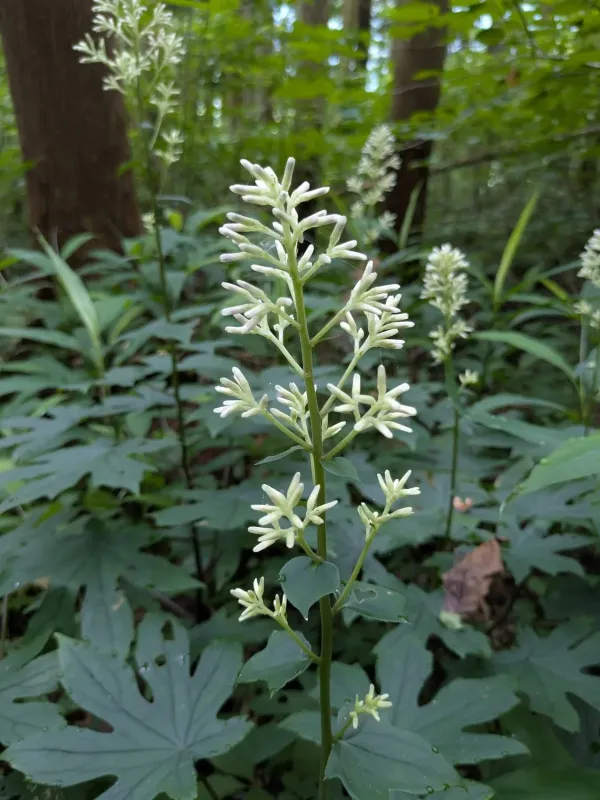
Description
Growing requirements
Parasenecio delphiniifolius is a perennial herbaceous plant belonging to the Asteraceae family. Native to the woodlands of East Asia, this species is highly valued for its unique foliage and structural appearance.
The plant thrives in partial shade conditions, mimicking its natural forest floor habitat. It requires consistently moist, humus-rich soil that offers good drainage to prevent waterlogging around the root zone.
Botanically, it is recognized by its palmately-divided leaves, which bear a striking resemblance to delphinium leaves. The plant typically forms robust clumps, making it an excellent candidate for filling empty garden spaces.
Climatic requirements involve protection from intense afternoon sun and heavy, desiccating winds. It is relatively hardy, yet it appreciates a sheltered position to maintain the integrity of its delicate leaf structure.
In terms of хозяйственного usage, it is strictly an ornamental crop used for landscaping and garden design. It performs best in woodland-style gardens, providing lush greenery in areas with lower light levels.
Main diseases and pests
Common threats to this species include fungal infections, such as powdery mildew, which thrive in stagnant and humid environments.
Gastropods like slugs and snails are significant pests, especially during the early spring season when the plant produces new, succulent foliage.
Root rot remains the most serious threat, usually caused by overwatering or poor soil drainage, which inhibits the plant's ability to respire.
Aphid infestations may occur on the stems or undersides of leaves, which can weaken the plant if left untreated for long periods.
Regular maintenance, including proper spacing and removing debris, is the best strategy to prevent these common horticultural problems.