
Parasenecio adenostyloides
Parasenecio adenostyloides
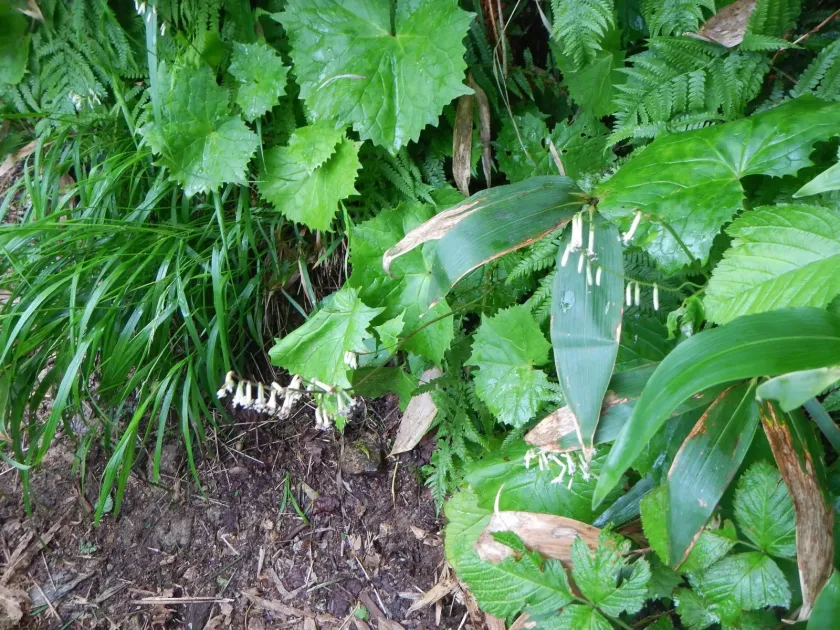
Description
Sowing dates
Parasenecio adenostyloides is typically propagated by division of established clumps. This operation is best performed in early spring as soon as growth commences or in late autumn once the plant has entered dormancy.
When starting from seeds, ensure they undergo a period of cold stratification for several weeks to break dormancy. Sowing should be done in containers or prepared seedbeds that maintain consistent moisture levels throughout the germination process.
Select a location with fertile, well-draining soil rich in organic matter. Proper soil preparation involves digging in generous amounts of compost or leaf mold, which mimics the natural forest floor habitat of the species.
Space plants at least 45 centimeters apart to allow for mature spread. This spacing is vital for air circulation, which prevents the build-up of excess humidity that could lead to the development of fungal diseases.
After transplanting or sowing, keep the soil consistently moist until the root system is well-established. Mulching around the plants helps to maintain soil temperature and prevents excessive moisture evaporation during summer months.
Growing requirements
Parasenecio adenostyloides belongs to the Asteraceae family and is recognized for its preference for shaded environments. Native to wooded areas, it thrives best in conditions that mirror its natural cool, moist, and protected habitat.
The plant requires soils that are consistently damp yet well-drained. Heavy clay soils should be amended with organic material or coarse sand to improve structure and drainage, preventing roots from becoming waterlogged.
Partial to full shade is ideal for this species. Intense afternoon sunlight should be avoided, as it can scorch the leaves and significantly reduce the aesthetic value and health of the plant.
Maintain a stable moisture level throughout the growing season. While the plant appreciates damp conditions, it does not tolerate stagnant water, which can quickly lead to root rot and other physiological stressors.
Hardiness is generally good in temperate climates, but protective mulch is recommended in areas prone to deep soil freezing. A thick layer of organic mulch protects the rhizomes and encourages vigorous regrowth in the following spring.
Main diseases and pests
Slugs and snails are the most significant pests for this species, especially in damp, shaded garden beds. Regular monitoring and the use of physical barriers or organic baits are often necessary during the spring growth phase.
Fungal pathogens such as powdery mildew or various leaf spot diseases can occur if the plants are placed in areas with poor airflow. Maintaining proper plant density and sanitation are key preventive measures.
Aphids can occasionally infest the undersides of leaves, particularly during periods of environmental stress. Biological control agents or neem oil treatments are usually effective at managing populations without harming the plant.
To reduce disease risk, avoid overhead watering, as wet foliage is more susceptible to infection. Focus irrigation directly on the root zone, keeping the leaves as dry as possible during the day.
Always inspect the site for weeds, as they provide hiding spots for pests and compete for essential nutrients. Regular weeding ensures the plant remains healthy and resistant to opportunistic pathogens.