
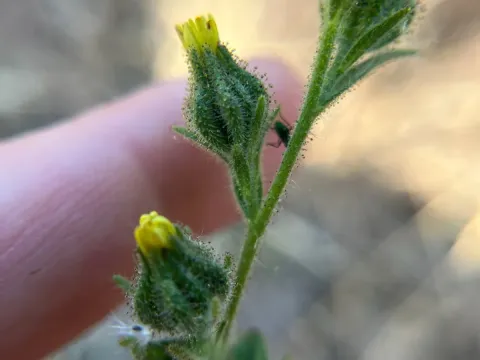
Madia
Madia
Madia is considered a long-day crop, making the timing of sowing critical for the development of a high-quality yield. The optimal time for planting is early spring, once the soil has warmed to a temperature of 8-10 degrees Celsius.
What the section contains
Madia
Seeds are typically sown in rows, ensuring adequate space for each plant to thrive, as the crop is known for its active tillering. Sowing depth is generally maintained between 2 to 3 centimeters, depending on the physical structure of the soil.
In regions with prolonged, cool springs, it is recommended to stagger planting dates to mitigate risks from potential late frost events. Early sowing is preferred to maximize the utilization of stored winter moisture within the soil profile.
Effective seedbed preparation, including harrowing, is essential to eliminate early-season weeds. Since Madia develops relatively slowly during its initial growth stages, it is vital to maintain a weed-free field to prevent competition for resources.
Plant density should target 40-60 plants per square meter to ensure optimal productivity. Over-crowding may result in reduced oil content within the seeds due to shading and limited sunlight exposure.
Madia is a drought-tolerant crop, making it a promising candidate for cultivation in regions with hot and dry climates. It successfully adapts to various soil types, including light, sandy loam soils where other traditional oilseeds might struggle to produce.
The best harvests are typically achieved on well-structured, aerated chernozems and chestnut soils. The plant does not tolerate waterlogging, and areas with high water tables are generally unsuitable for its production.
Successful development requires abundant sunlight and warmth during the flowering and maturation stages. As a member of the Asteraceae family, the plant has a strong biological requirement for high-intensity insolation.
The mineral nutrient requirements of Madia are moderate, though phosphorus and potassium fertilization significantly improve structural stability and prevent lodging. Nitrogen fertilizer must be applied judiciously to avoid excessive vegetative growth at the expense of seed yield.
The crop is known for its ability to efficiently access and utilize difficult-to-reach forms of phosphorus in the soil. This makes it an economically viable choice for rotations on soils with lower fertility levels.
The yield of Madia seeds is heavily dependent on local climatic conditions and the strict application of agricultural practices. Under favorable conditions, farmers can expect a harvest of 10-15 centners per hectare.
Madia seeds are noted for their high content of quality vegetable oil, which shares similar chemical properties with sunflower oil. This makes the crop a valuable raw material for both the food and technical industries.
Yield potential is best realized through timely fertilization and integrated pest management strategies. Moisture availability during the flowering phase is the primary factor determining the final thousand-seed weight.
The oil content in Madia seeds ranges from 30 to 40 percent, positioning the crop as a viable alternative to traditional oilseeds in specific pedoclimatic zones.
Beyond oil production, the press cake remaining after oil extraction serves as a high-protein ingredient in livestock feed formulations, adding significant value to the crop's economic profile.
The main disease threats to Madia include fungal infections such as powdery mildew and various types of root rot. Pathogen development is frequently exacerbated by high ambient humidity during the summer months.
Pests that threaten the fields include typical members of the Asteraceae-feeding insect community, such as aphids, cutworms, and weevils. Control measures, including the application of insecticides, are recommended during peak insect activity periods.
Wireworms pose a significant danger to young seedlings by attacking the root system. Pre-sowing seed treatment is the most effective preventative measure against soil-borne pests.
Strict crop rotation is the best management practice for preventing the accumulation of soil-borne diseases. It is not recommended to plant Madia on the same plot more than once every three to four years.
During rainy periods, the crop is susceptible to downy mildew, which requires immediate intervention with systemic fungicides to preserve the yield potential.
Harvesting should occur at the stage of full seed maturity, characterized by a distinct darkening of the seeds and the desiccation of foliage. Delaying the harvest risks significant seed loss due to the plant's physiological tendency to shatter.
Direct combining at low threshing drum speeds is the preferred harvest method. This adjustment is crucial to prevent damage or crushing of the delicate seed coats.
Seed moisture levels at harvest should ideally be around 12-14 percent, allowing for immediate storage without the need for extensive artificial drying. Higher moisture levels necessitate careful processing in grain conditioning facilities.
Harvest losses can be substantial if combine settings are not properly adjusted. Experienced agronomists recommend harvesting during early morning or late evening hours, when higher air humidity minimizes shatter losses.
Following harvest, seeds must be cleaned of debris and plant residues to prevent mold development during storage. Properly dried Madia seeds can be stored for extended periods without degrading oil quality.