
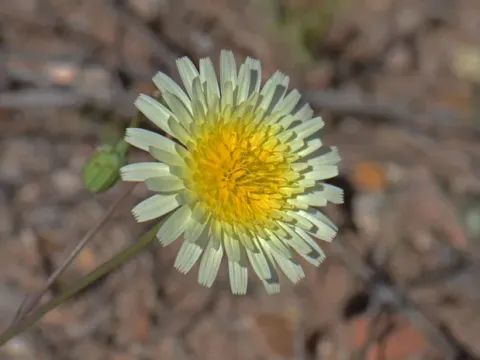
Malacothrix
Malacothrix
The genus Malacothrix consists of herbaceous plants that typically complete their reproductive cycle after seasonal precipitation events in their native range.
What the section contains


Malacothrix
In a horticultural setting, sowing is performed mainly in controlled environments or greenhouses, as these plants are valued for their ornamental desert-like appearance.
Seeds should be sown on or near the surface, as they require light to germinate and should never be buried deep within the substrate.
The medium must be highly porous, utilizing mixes designed for desert species to ensure rapid drainage and prevent moisture-related failures.
Timing of the sowing is critical, usually mirroring the transition from cooler to warmer temperatures to trigger successful germination.
Members of the Asteraceae family, plants in the Malacothrix genus are well-adapted to the harsh conditions of western North America.
They thrive in full sun exposure and require sandy, rocky soil types that mimic the natural drainage found in arid or semi-arid environments.
These plants are classic xerophytes, meaning they require very little supplementary irrigation once they have established their root systems.
Nutritional needs are quite low; excessive fertilizers often lead to weak, elongated stems and make the plant more susceptible to environmental stress.
Temperature fluctuations are generally tolerated well, as the plants have evolved to survive the dramatic thermal shifts between day and night.
Excessive humidity and poorly draining soils are the primary threats, often leading to crown rot and systemic fungal infections in the roots.
Pests such as aphids and spider mites can become an issue if the plants are grown in poorly ventilated conditions with low airflow.
Powdery mildew is a common concern during periods of high humidity, necessitating proper spacing and dry conditions for healthy growth.
Competitive weeds pose a significant threat to young seedlings, which may be easily outcompeted for limited resources in a natural desert habitat.
Environmental degradation and habitat destruction remain the most severe threats to the survival of wild populations of certain Malacothrix species.