
Leysera leyseroides
Leysera leyseroides
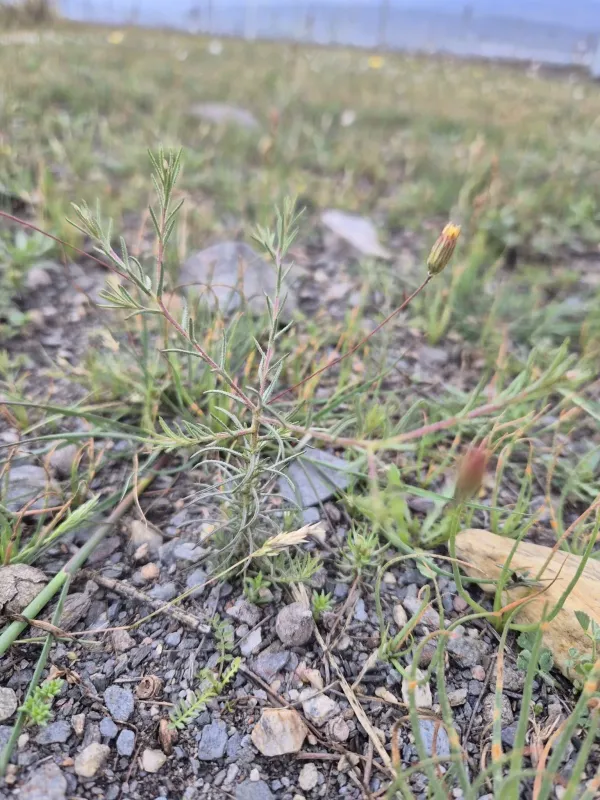
Description
Growing requirements
Leysera leyseroides is a herbaceous plant belonging to the Asteraceae family. It is recognized for its remarkable ability to thrive in harsh environments, making it a subject of interest for sustainable agriculture in arid regions.
The plant originates from Southern Africa, which defines its inherent physiological adaptation to low-moisture environments. It prefers sandy or rocky soils that provide excellent drainage, preventing any form of root saturation.
In terms of climatic conditions, Leysera leyseroides requires high solar exposure to complete its full life cycle. It is highly resistant to heat stress, showing significant resilience during periods where other crops fail due to extreme aridity.
Soil nutrient requirements for this species are relatively low. It effectively utilizes mineral resources from poor-quality soils, making it an excellent candidate for land reclamation projects and the stabilization of desertified areas.
Optimal growth is observed in neutral to slightly alkaline soil conditions. Maintaining proper soil structure is essential for root penetration, as the plant relies on a taproot system to access deeper reservoirs of water.
Main diseases and pests
Fungal diseases are the primary concern for Leysera leyseroides, particularly when soil drainage is inadequate. Root rot, caused by various soil-borne pathogens, can lead to rapid decline if the field is poorly managed.
Insect pests such as leaf-eating beetles and aphids can inflict damage on young shoots. During the early developmental stages, monitoring these populations is crucial to ensure the survival of the seedlings.
Dry weather encourages the migration of certain pests that feed on plant sap. Early signs of infestation include leaf curling and discoloration, which should be treated immediately with appropriate biological or chemical agents.
Weed competition is another threat, especially during the establishment phase. Since the plant grows slowly in its early stages, it requires a clean field with minimal competition from aggressive weed species.
Integrated Pest Management (IPM) practices are highly recommended for this crop. Rotation with non-related families and the use of resistant seed varieties represent the most effective strategies for long-term health and productivity.