
Leptinella
Leptinella
Leptinella is a genus of perennial herbaceous plants belonging to the Asteraceae family. Originating primarily from the Southern Hemisphere, including New Zealand, Australia, and South America, these plants have adapted to cool, moist environments and mountain meadows.
What the section contains


Leptinella
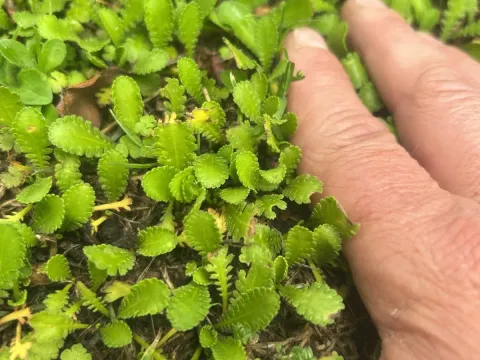
Botanically, Leptinella is characterized by its prostrate, creeping growth habit, forming dense, moss-like mats. The foliage is typically fern-like, finely divided, and decorative, which makes it a popular choice for ground cover in professional landscaping and gardening projects.
Climate requirements for successful growth include temperate conditions with consistent moisture. While the plant can tolerate some sun, it thrives best in partial shade, especially in regions with hot summers where direct sunlight may scorch the delicate foliage.
Soil conditions should ideally be humus-rich, well-draining, and slightly acidic. The plant is sensitive to waterlogging, particularly during the winter months, so ensuring proper soil structure and drainage is essential to prevent root rot and ensure long-term vitality.
Agricultural and landscape use focuses on creating low-maintenance green surfaces. It is highly valued for filling gaps between paving stones and creating textural carpets in rock gardens, as it can withstand light foot traffic while suppressing the growth of common weeds.
The primary threats to Leptinella health are fungal infections resulting from poor air circulation or overwatering. Root rots are the most common issue, often triggered by heavy, poorly drained soil conditions that prevent the roots from accessing necessary oxygen.
Pests such as slugs and snails are significant threats to the foliage, especially in damp conditions. These mollusks can rapidly defoliate large sections of a carpet, necessitating vigilance and the implementation of physical or biological control measures.
Disease prevention involves maintaining adequate spacing between individual plants and ensuring the site is not prone to constant standing water. If fungal symptoms appear, removing the affected plant material promptly is vital to prevent the spread to adjacent healthy patches.
Chemical intervention is usually a secondary measure, reserved for severe infestations where cultural practices fail. Whenever possible, using organic pest control or creating an environment unattractive to slugs will significantly improve the success rate of the planting.
Monitoring the growth cycle ensures early detection of potential threats. With proper cultural management, including light aeration and balanced moisture levels, Leptinella remains a highly resilient and attractive element in various garden designs.