
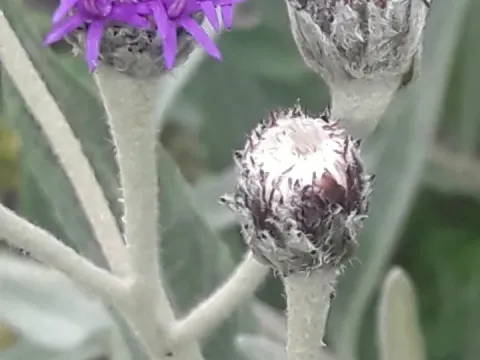
Lessingianthus
Lessingianthus
Lessingianthus is a large genus of perennial herbs and shrubs belonging to the Asteraceae family. Native primarily to South America, particularly Brazil, these plants are known for their diversity and adaptation to various subtropical ecosystems.
What the section contains

Lessingianthus
These plants thrive in full sun exposure. While they can grow in diverse soil types, they generally require well-drained substrate to prevent root rot. Soil acidity should ideally range from slightly acidic to neutral to ensure optimal nutrient uptake.
Climate requirements include warm temperatures throughout the growing season. Lessingianthus is not frost-hardy and is typically grown in climates where temperatures remain consistently above freezing, or managed as a container plant in cooler regions.
Irrigation management is essential for this culture. Regular but moderate watering is preferred, as these plants exhibit a moderate tolerance for dry spells once they have established a deep root system in the soil.
The main agricultural and economic use of Lessingianthus is in the ornamental plant sector. Due to their unique, dense inflorescences, they are highly valued by landscapers and gardeners looking for exotic, hardy additions to floral displays.
Root rot is the most significant threat to Lessingianthus, often caused by overwatering or poor soil drainage. Maintaining a healthy moisture balance is the primary defensive measure against these fungal pathogens.
Powdery mildew is a common foliage disease, especially in environments with high humidity and poor airflow. Managing the density of the planting area can significantly reduce the risk of this infection.
Common insect pests include aphids and spider mites, which can cause leaf yellowing and reduced vigor. Integrated pest management strategies, such as using organic oils or specific insecticides, are recommended for control.
Sanitation practices, such as removing fallen leaves and pruning dead stems, are critical to minimize the habitat for pests and prevent the accumulation of fungal spores in the growing area.
Vigilance during the early growth stages is essential. Young plants are particularly susceptible to environmental stress, and monitoring their development allows for proactive intervention before infestations or diseases become severe.