
Leptinella pusilla
Leptinella pusilla
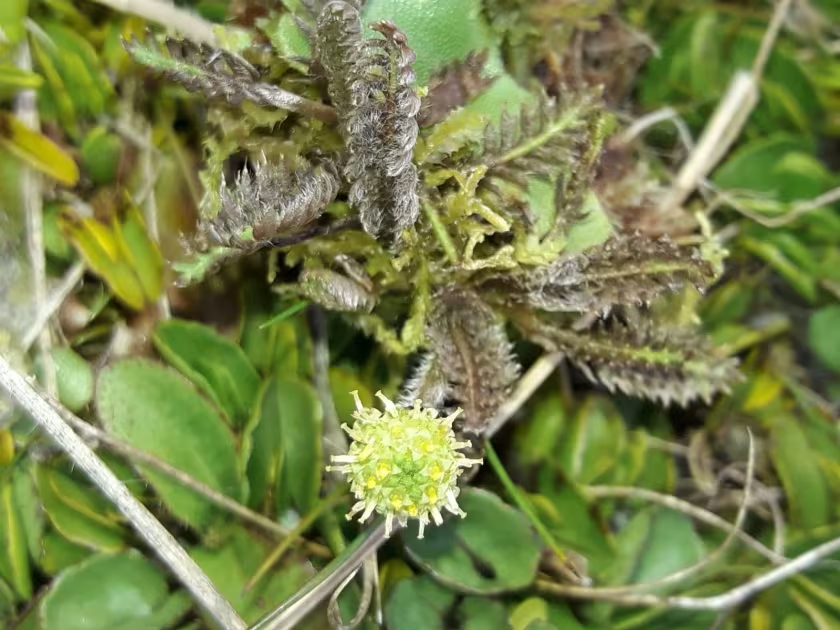
Description
Growing requirements
Leptinella pusilla is a perennial herbaceous plant belonging to the Asteraceae family. Originating from the diverse ecosystems of New Zealand, it has become a popular choice for gardeners seeking low-maintenance ground cover solutions.
Botanically, it is defined by its creeping rhizomatous stems that form dense, mat-like colonies. The foliage is characteristically fine and fern-like, which provides a unique textural contrast in garden beds and rockeries.
The plant thrives in cool, humid environments with partial shade. In terms of soil, it requires consistently moist, well-draining, and nutrient-rich substrates to maintain its characteristic vigor and deep green color.
Effective cultivation involves avoiding harsh, direct sunlight, which can stress the plant. Irrigation should be applied regularly, especially during dry spells, to prevent the soil from drying out completely.
It is widely utilized in landscaping for filling gaps between paving stones, creating lush borders, or establishing carpets in damp, shaded corners where traditional lawn grasses often fail to thrive.
Main diseases and pests
Fungal pathogens remain the primary concern for Leptinella pusilla, particularly in poorly ventilated or excessively damp conditions. Root rot can manifest quickly if drainage is not properly managed.
Slugs and snails are the most common pests, as they are attracted to the dense foliage. Integrated pest management strategies, such as physical barriers or biological controls, are recommended for high-infestation areas.
Susceptibility to environmental stress, particularly heat and prolonged drought, can leave the plants open to secondary infections. Maintaining soil health is crucial to ensuring the plant's natural resilience.
In regions with fluctuating winter temperatures, heaving of the soil can damage the delicate root system. Proper mulching techniques are advised to insulate the ground and prevent winter injuries.
Proper hygiene, including the removal of dead organic material within the plant mat, helps reduce the risk of infestation by aphids or mites, which may occasionaly target young, tender growth.