
Leontopodium souliei
Leontopodium souliei
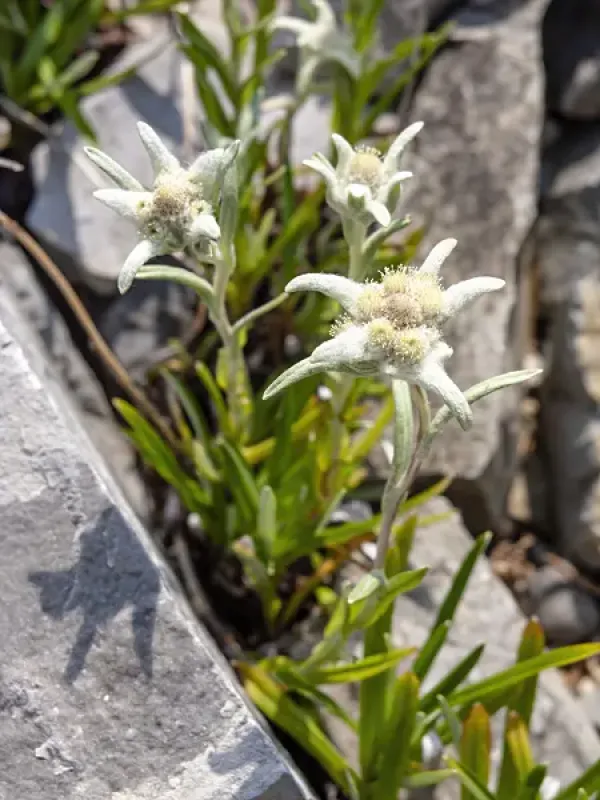
Description
Sowing dates
The sowing of Leontopodium souliei seeds is best conducted in early spring within controlled greenhouse conditions. Due to the species' high-altitude origins, seeds require a period of cold stratification to break dormancy and ensure uniform germination across the tray.
Seeds should be surface-sown on a light, well-draining substrate without covering them with soil, as they require light exposure to trigger germination. Proper moisture management using a fine mist spray is essential during the initial weeks to prevent the seeds from drying out.
Optimal temperatures for germination range from 15 to 18 degrees Celsius. Once the seedlings develop their first true leaves, they must be carefully pricked out into individual pots to avoid competition and ensure strong root development before transplanting.
Care must be taken when handling the seedlings, as their root systems are fragile and sensitive to disturbance. Using biodegradable peat pots can significantly reduce transplant shock when moving the plants into their permanent location in the garden.
Transplanting into the field or rock garden should occur only after the danger of frost has passed. Selecting a site with excellent drainage and full sun exposure will provide the best environment for the young plants to establish their perennial rootstocks.
Growing requirements
As a member of the Asteraceae family, Leontopodium souliei is specialized for rocky, harsh alpine environments. It is native to the high-altitude regions of Tibet and Western China, where it thrives in skeletal soils with low nutrient content.
The cultural requirements demand a gritty, alkaline-to-neutral substrate with exceptionally high permeability. Garden soil must be amended with gravel or coarse sand to replicate the natural mountain slopes where this species evolved to avoid root rot.
Full sun is an absolute necessity for this species. Any shade provided by surrounding vegetation will result in elongated stems, loss of the characteristic silver pubescence, and an increased susceptibility to various fungal pathogens due to poor air circulation.
Watering should be kept to a bare minimum. The plant is highly drought-tolerant and stores moisture effectively in its specialized foliage. Excessive moisture, especially during the dormant winter months, is the most common cause of crop failure.
Fertilization is generally discouraged as it promotes succulent, weak growth that reduces the plant's natural cold hardiness. A thin layer of crushed stone mulch around the base of the plant is recommended to keep the crown dry and prevent decay.
Main diseases and pests
Root and crown rot are the most significant threats to the survival of Leontopodium souliei in garden settings. These issues are almost exclusively caused by poorly drained soils or excessive winter precipitation that creates a stagnant water environment.
Fungal diseases, including downy mildew and powdery mildew, can occur if the humidity levels are too high or if the planting site lacks proper airflow. Maintaining a dry, breezy environment around the foliage is the primary preventative measure.
Insects like aphids may occasionally colonize the soft tissue of developing flower buds during the summer heat. While these pests rarely kill the plant, they can reduce its aesthetic value and should be managed with mild horticultural soaps.
Soil-borne larvae and various cutworms may pose a risk to the root system, particularly in newly established beds. Regular monitoring of the soil health and avoiding the use of uncomposted organic matter can help keep these pest populations under control.
Mechanical damage to the roots during weeding is another significant risk factor. The plant's inability to regenerate quickly from such wounds makes it a prime target for opportunistic pathogens that inhabit the surrounding soil.