
Leptinella potentillina
Leptinella potentillina
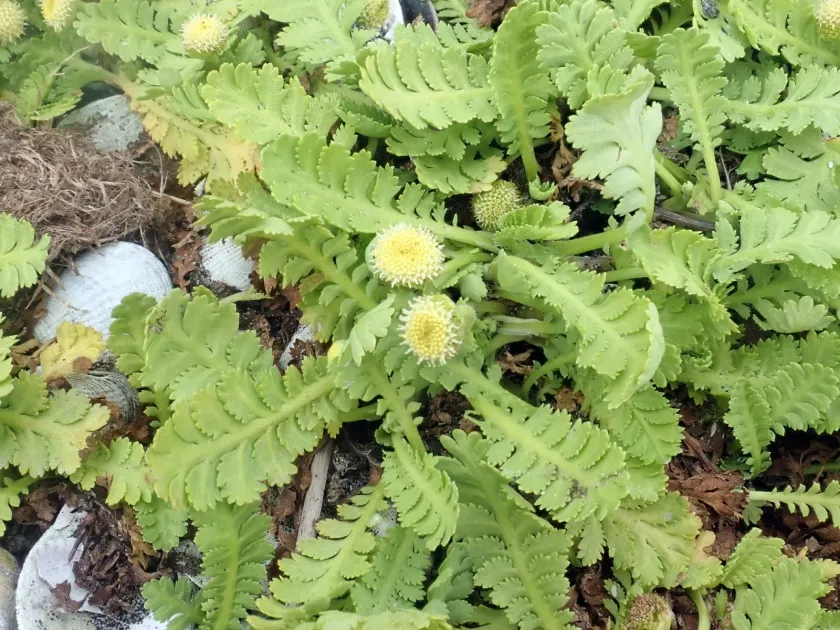
Description
Sowing dates
Sowing seeds of Leptinella potentillina should ideally occur in early spring, specifically between March and April. A nursery or greenhouse setting is recommended to ensure controlled germination conditions.
Seeds benefit significantly from a cold stratification process lasting approximately four weeks. This step breaks dormancy and improves the overall germination rate of the seeds sown in trays.
The substrate must be well-draining, such as a mix of peat and coarse sand. Seeds should be placed on the surface and pressed lightly, keeping them moist under a glass or plastic cover until sprouting.
Once seedlings develop two true leaves, they should be pricked out into individual small pots. Gradual acclimatization to outside conditions is vital before planting them into their final garden positions.
Division of mature mats is a highly successful propagation technique that can be carried out in autumn, providing more vigorous plants for expansion of the groundcover carpet.
Growing requirements
Leptinella potentillina, a member of the Asteraceae family, is a perennial herb originating from the subantarctic regions of New Zealand. Its primary use is as a dense, low-growing groundcover for rock gardens.
The plant thrives in moist, well-drained soils and performs best in partial shade or bright, filtered light. It requires consistent moisture, especially during the peak summer heat to avoid foliage browning.
Soil pH should ideally be neutral or slightly acidic. Good drainage is non-negotiable, as the plant is susceptible to crown rot if left standing in soggy, stagnant water during the winter months.
Climate-wise, this species prefers cool environments. It is remarkably hardy but appreciates a layer of organic mulch during extreme winters to provide extra protection against deep ground freezing.
Fertilization is best performed in early spring using a balanced liquid fertilizer. Avoid high-nitrogen feeds, as they can cause overly soft, weak growth that is prone to physical damage.
Main diseases and pests
Root rot is the most common disease, usually triggered by poor drainage or overwatering. Maintaining a well-aerated soil structure is the best defense against these fungal pathogens.
Slugs and snails are the primary pests of this plant, often eating large patches of the foliage in wet weather. Biological control methods or protective barriers are effective in managing their populations.
In humid, stagnant air conditions, the plant may develop powdery mildew. Improving air circulation around the plants and avoiding overhead irrigation in the late evening can mitigate this risk.
Aphids might occasionally infest the tender tips of the plant. If they appear, a mild insecticidal soap solution or neem oil treatment will typically clear the infestation without harming the plant.
Regular sanitation, which involves removing debris and dead leaves from the dense carpet, is crucial to prevent the buildup of fungal spores and ensure the long-term health of the planting.