
Leptinella pyrethrifolia
Leptinella pyrethrifolia
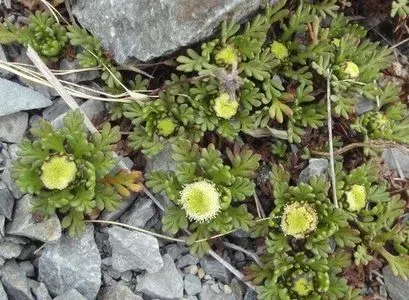
Description
Growing requirements
Leptinella pyrethrifolia is a perennial herbaceous plant belonging to the Asteraceae family. It is native to the alpine regions of New Zealand, where it thrives in rocky soils and cool, mountainous climates, showcasing high environmental adaptability.
Botanically, the plant is characterized by its fern-like, finely divided foliage. It forms dense, low-growing mats that spread via creeping rhizomes, making it a highly desirable candidate for ornamental ground cover in rock gardens or landscapes.
For successful cultivation, Leptinella pyrethrifolia requires well-draining soil to prevent root rot. It is essential to mix soil with grit or sand to mimic the porous, rocky conditions of its native habitat, ensuring water does not accumulate around the roots.
The plant prefers full sun to partial shade. While it is hardy, it requires consistent moisture during the growing season. Excessive heat can be detrimental, so in warmer regions, providing light shade during the hottest part of the day is recommended.
In terms of usage, this species is primarily used for ornamental purposes. It is commonly planted between pavers, in gravel beds, or as a lawn substitute in areas with limited foot traffic. Its aesthetic appeal lies in its texture and uniform growth habit.
Main diseases and pests
The primary threats to Leptinella pyrethrifolia are fungal pathogens induced by waterlogged conditions. Proper irrigation management is critical, as stagnant moisture promotes root decay and structural failure of the plant mat.
Pests such as slugs and snails are the most common concern, particularly in humid garden environments. They may feed on the soft foliage, potentially causing significant damage to the plant's appearance. Keeping the area free of debris helps deter these pests.