
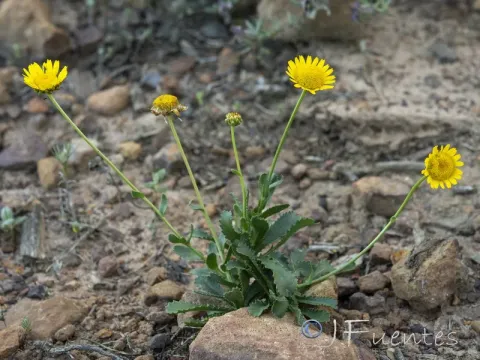
Lepidophorum
Lepidophorum
Lepidophorum is a genus of herbaceous plants belonging to the Asteraceae family. While not a major industrial crop, it holds a specific niche in botanical studies and ornamental garden cultivation due to its unique structural properties.
What the section contains

Lepidophorum
The plant originates from the mountainous regions of Europe, where it has adapted to rocky, well-drained soil types. Its natural habitat is characterized by moderate climatic conditions, which determine its overall physiological requirements.
Regarding soil requirements, Lepidophorum thrives in loose, sandy-loam environments that ensure high air permeability. The plant is sensitive to waterlogging, necessitating excellent drainage systems to prevent the development of root-related issues.
Climatic preferences include full sun exposure, which is essential for the healthy development of its inflorescences. Prolonged shade tends to weaken the stem structure, causing the plant to lose its typical architectural form.
Horticultural use is primarily focused on landscape design, specifically within rock gardens and xeriscaping projects. Its ability to tolerate periods of low moisture makes it a resilient choice for dry, sunny garden beds.
The most significant threat to Lepidophorum cultivation is excessive humidity. Soil saturation, particularly during dormant periods, is the primary factor leading to root decay and the decline of the plant population.
Insect pests such as aphids are frequently observed, especially during the early stages of the growing season. These pests can cause significant leaf damage, which may subsequently reduce the plant's aesthetic and biological vigor.
Powdery mildew represents a common fungal threat under conditions of poor ventilation and high humidity. Maintaining adequate space between plants is a crucial cultural practice to reduce the incidence of this disease.
Root pathogens remain a persistent risk in poorly managed soils. If the drainage is not sufficient, soil-borne fungi can rapidly compromise the entire root system, often leaving no chance for recovery.
Winter damage is another concern in colder climates. Although the plant is somewhat hardy, protection through mulching helps stabilize the soil environment around the root zone, ensuring successful regrowth in the following season.