
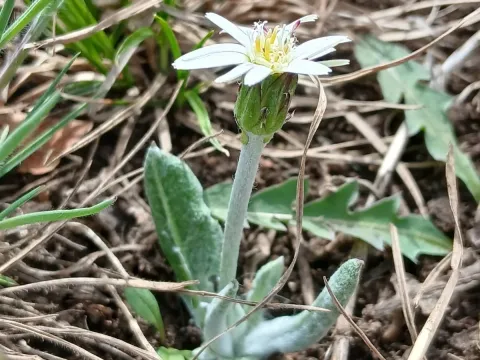
Leibnitzia
Leibnitzia
Leibnitzia is a genus of perennial herbaceous plants belonging to the Asteraceae family. These plants are native to the diverse landscapes of Eastern and Southern Asia, where they have evolved to inhabit various ecological niches.
What the section contains

Leibnitzia
The botanical classification of Leibnitzia is noted for its unique dimorphic flowers. The plant produces chasmogamous flowers for cross-pollination and cleistogamous flowers that do not open, ensuring seed production regardless of environmental conditions.
The culture requires fertile, well-draining soils with a neutral pH to thrive. It is sensitive to waterlogging, which necessitates careful soil preparation and the implementation of efficient drainage systems in cultivation areas.
Climate-wise, Leibnitzia performs best in temperate conditions with consistent moisture levels. Excessive heat or prolonged exposure to direct sunlight can stress the plant, requiring the use of shade cloth or greenhouse temperature control.
From an agricultural standpoint, Leibnitzia is primarily utilized as an ornamental plant in specialty gardens. Its growth habit and reproductive cycle make it a subject of interest for both academic research and hobbyist plant collectors.
The most significant pathological threat to Leibnitzia is root rot, typically caused by soil-borne pathogens like Phytophthora or Pythium species in wet conditions.
Common horticultural pests such as spider mites and aphids are frequently observed attacking the succulent parts of the plant, especially in indoor or controlled greenhouse environments.
Management practices for disease control focus on maintaining hygiene, using sterilized potting media, and ensuring optimal spacing to prevent the spread of fungal spores.
To mitigate damage from pests, biological control methods, such as introducing predatory mites or using neem oil sprays, are often preferred to maintain the health of the specimens.
Routine inspection of the foliage and root system is mandatory for early detection of stress factors, which allows for timely intervention before the plant suffers irreversible damage.