
Laggera decurrens
Laggera decurrens
Description
Growing requirements
Laggera decurrens is a perennial herbaceous plant belonging to the Asteraceae family. It is native to the tropical regions of Asia, where it thrives in warm, humid climates and is recognized for its traditional medicinal properties.
The plant requires significant exposure to sunlight to develop properly. It is well-adapted to tropical environments and prefers well-drained, fertile soil that retains sufficient moisture without becoming waterlogged, which is crucial for root health.
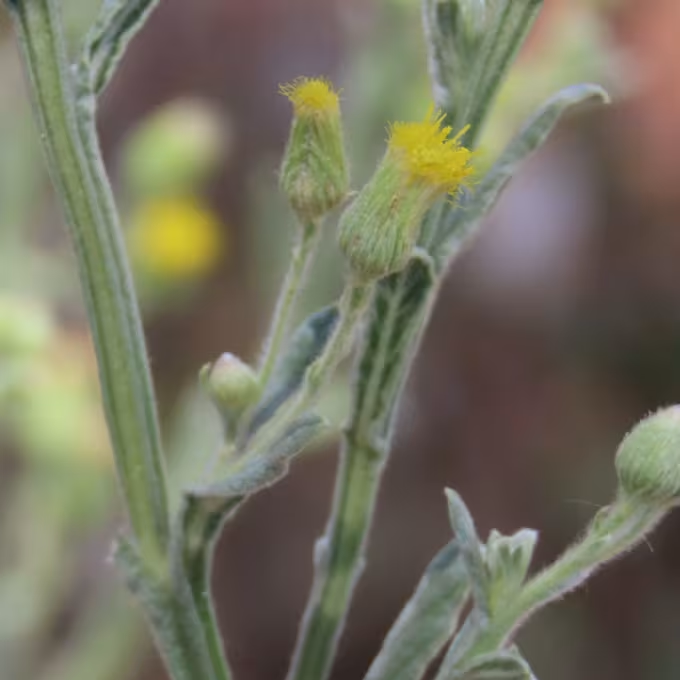
Botanically, the species is distinguished by its decurrent leaves, which extend down the stem, and its branched, erect growth habit. The inflorescences consist of small, dense flower heads that produce achenes after fertilization.
In terms of agricultural management, the plant benefits from regular irrigation during dry periods and moderate fertilization. It is often harvested for its essential oil content, which contains bioactive compounds useful in pharmaceuticals.
The use of Laggera as a medicinal crop has gained attention in various regions due to its anti-inflammatory, antiseptic, and fever-reducing characteristics. It is cultivated in small-scale medicinal farms to meet the demand for natural health products.
Main diseases and pests
The plant is susceptible to various fungal pathogens, especially in high-humidity conditions. Root rot and damping-off disease are common threats that can decimate crops if soil drainage is not properly managed.
Pest management focuses primarily on aphids, whiteflies, and various caterpillars that feed on the foliage. These pests can significantly reduce the yield and quality of the raw material harvested for essential oil extraction.
Integrated Pest Management (IPM) strategies are highly recommended to keep pest populations below damaging thresholds. This involves using physical barriers, biological control agents, and limited use of organic pesticides.
Weed control is essential during the early stages of plant establishment. Competing weeds can sap vital nutrients and water, hindering the growth of the crop and potentially harboring pests that attack the Laggera plants.
Crop rotation practices should be strictly followed to prevent the buildup of soil-borne pathogens. Rotating Laggera with non-related species helps maintain soil health and reduces the overall pressure from pests and diseases over several seasons.