
Laggera aurita
Laggera aurita
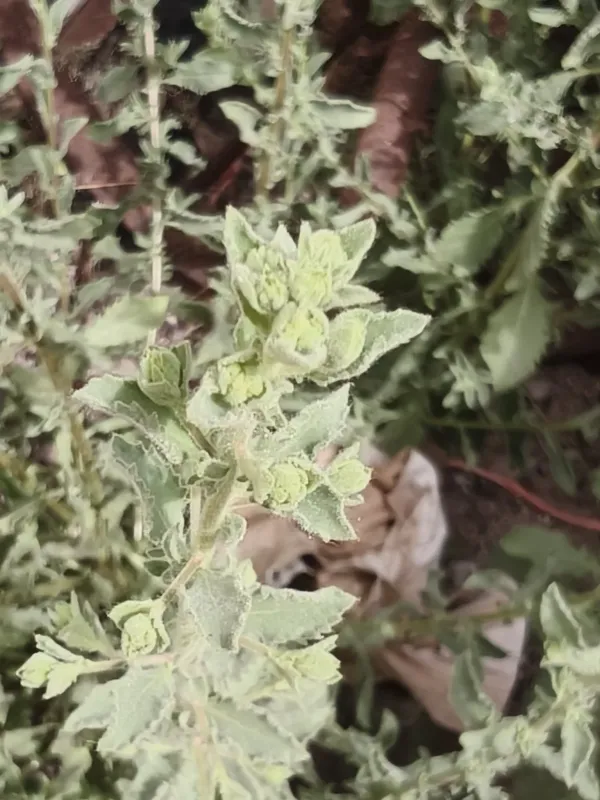
Description
Sowing dates
The seeds of Laggera aurita require a stable temperature between 20 and 25 degrees Celsius to achieve optimal germination rates. Sowing is best performed in early spring, once the soil has warmed up sufficiently, reducing the risk of seedling damping-off caused by soil pathogens.
In a field setting, seeds should be sown shallowly, as they require light to successfully trigger the germination process. A planting density of approximately 15 to 20 plants per square meter is recommended to ensure adequate airflow and prevent the development of fungal infections in the dense canopy.
Pre-sowing stratification in a cool, dark environment can help synchronize germination and lead to more uniform field emergence. After sowing, irrigation should be kept minimal and gentle to ensure the seeds remain in position and are not buried too deeply by water movement.
When selecting a site, avoid areas prone to waterlogging, as the root system of Laggera is highly sensitive to hypoxia. Using a thin layer of organic mulch can help retain moisture in the surface layers while preventing the soil from forming a hard, suffocating crust.
Vegetative propagation via cuttings during the summer months is a viable alternative for maintaining high-quality genetic lines, ensuring that the pharmacological profile remains consistent across generations of the crop.
Growing requirements
As a member of the Asteraceae family, Laggera aurita is a tropical species that demands high light intensity to thrive. It performs best in open fields with full exposure to the sun, away from tall trees or structures that might cast shade and impede its developmental rate.
The crop prefers light, well-draining sandy or loamy soils with a neutral to slightly acidic pH. Efficient soil drainage is the most critical requirement, as excessive moisture often leads to root rot and systemic plant failure in humid conditions.
This plant exhibits impressive drought tolerance due to the presence of dense, trichome-like hairs on the leaf surfaces that effectively reduce transpiration. However, consistent and moderate irrigation during the peak growth phase is necessary to maximize vegetative biomass.
The optimal temperature range for development is between 22 and 30 degrees Celsius. Development slows significantly below 10 degrees, and exposure to frost will typically lead to the complete death of the aerial parts of the plant.
While the species is naturally adapted to degraded or disturbed soils, the application of balanced nitrogen-based fertilizers can significantly boost yield. However, over-fertilization should be avoided to prevent the development of overly succulent tissues that are more susceptible to pests.
Yield
The yield of Laggera aurita is evaluated based on the dry weight of the harvested biomass, which is highly sought after for its medicinal and aromatic compounds. The peak concentration of these secondary metabolites occurs during the full flowering stage, which serves as the primary harvest trigger.
Proper harvest management is essential, involving careful cutting that preserves the lower nodes of the plant to facilitate regrowth. Any delay in the harvest timing can lead to a significant loss of essential oils, which are stored within the glandular trichomes of the foliage.
Average yields in commercial cultivation typically range from 5 to 8 tons of fresh biomass per hectare, which decreases to approximately 1.5 to 2 tons after the drying process. These metrics depend heavily on the spacing, soil health, and irrigation regime employed.
Pruning spent flower heads throughout the season can stimulate the plant to produce secondary side branches, effectively increasing the total biomass harvested per growth cycle. This strategy is highly efficient in regions with long, warm growing seasons.
Post-harvest processing requires immediate drying in shaded, well-ventilated conditions to prevent fermentation and preserve volatile compounds. Storage of the final dried product should be handled in cool, dry conditions to ensure long-term stability of its active ingredients.
Main diseases and pests
The primary threats to Laggera aurita are fungal diseases, specifically root rots, which proliferate in poorly drained soils or conditions with excessive relative humidity. Maintaining good ventilation between rows is the most effective cultural practice to mitigate these risks.
Pests such as aphids and spider mites are common in hot, dry weather conditions, often targeting the soft tissues of the new growth. Biological control methods, such as introducing predatory mites or lacewings, are preferred over synthetic pesticides to maintain the purity of the medicinal product.
Weeds present a significant challenge during the establishment phase, as the young seedlings of Laggera lack the vigor to compete with aggressive grasses. Regular cultivation or hand-weeding is necessary during the first four weeks of growth to ensure the crop establishes a dominant position.
Bacterial wilt can be an issue if nitrogen fertilizers are used improperly, as rapid, lush growth often lacks the structural integrity to resist microbial infection. Avoiding excessive nitrogen helps keep the plants compact and resilient.
Implementing a crop rotation strategy is essential to prevent the buildup of soil-borne pathogens, ensuring that the field remains productive for future cycles of this sensitive plant species.
Harvesting
Harvesting is ideally conducted in the morning hours once the dew has evaporated, ensuring that the plant tissues are clean and dry. Manual harvesting with sharp shears or mechanical cutters is used to remove the stems at a specific height.
Once harvested, the plant material must be cleaned immediately to remove dust or soil particles that could harbor contaminants. Speed is of the essence, as high moisture levels in a piled harvest can quickly lead to spoilage.
The drying process should be carried out in climate-controlled dryers or ventilated sheds where sunlight does not directly hit the leaves, as UV radiation can degrade the delicate essential oils present in the plant structure.
Transportation of the dried biomass should be done in breathable burlap or paper sacks. This packaging prevents the buildup of humidity and heat, which are the main culprits behind the loss of quality during transit from the farm to the processor.
Finally, warehouse storage must be maintained at a stable temperature, ideally below 20 degrees Celsius, with no exposure to humidity, which ensures the shelf-life and efficacy of the medicinal crop are maintained for the end consumer.