
Laggera gracilis
Laggera gracilis
Description
Growing requirements
Laggera gracilis is a member of the Asteraceae family. It is a perennial herbaceous plant native to the tropical and subtropical regions of Asia and Africa.
The plant thrives in sunny locations with moderate moisture. It requires fertile, well-drained soils with a neutral to slightly acidic pH for optimal development.
Climatic requirements necessitate consistently high temperatures during the growing season. The plant is sensitive to frost, making it suitable for protected cultivation in temperate climates.
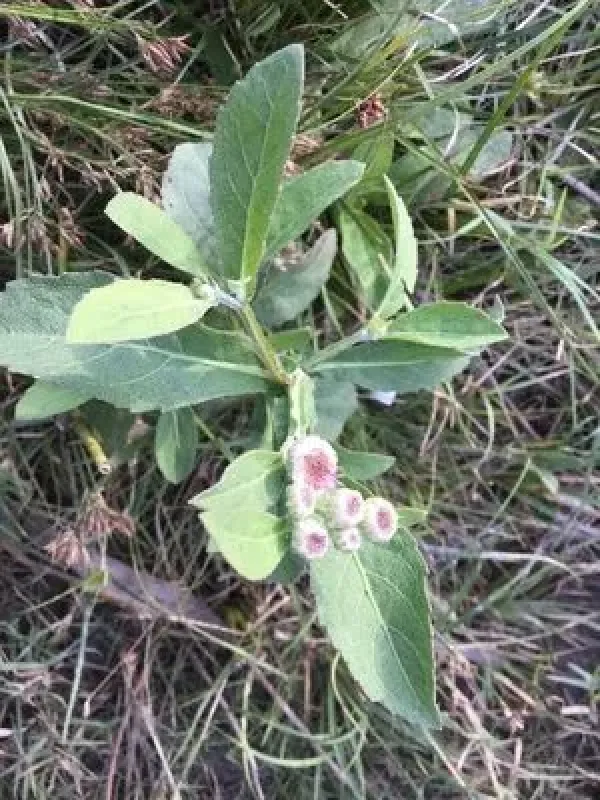
Botanical characteristics include upright stems and characteristic pubescent leaves that accumulate valuable essential oils. The root system is moderately developed, requiring careful soil moisture management.
The crop is utilized primarily in the pharmaceutical and cosmetic industries due to its high concentration of bioactive terpenoids and other phytochemicals.
Main diseases and pests
Common pests affecting this crop during field cultivation include aphids and spider mites, which proliferate rapidly under conditions of low air humidity.
Root rot pathogens, such as Fusarium and Pythium species, represent the primary threat when soil is overwatered or drainage is inadequate.
Disease prevention strategies involve rigorous adherence to irrigation schedules and thinning out dense plant stands to ensure proper air circulation.
Powdery mildew can affect foliage during significant temperature fluctuations, necessitating the use of sulfur-based or biological control agents.
Weed management is critical during the early establishment phase, as the plant exhibits relatively slow growth rates shortly after transplanting or germination.