
Laggera alata
Laggera alata
Description
Growing requirements
Laggera alata is a perennial herbaceous plant belonging to the Asteraceae family. It is naturally distributed across tropical regions of Asia, Africa, and parts of Australia, thriving in warm and humid environments.
The plant requires high levels of solar radiation for optimal development. It performs best in temperatures ranging from 22°C to 30°C and is sensitive to frost, which can severely damage its metabolic processes.
Regarding soil conditions, Laggera alata prefers well-drained, fertile substrates with a neutral or slightly acidic pH. Avoiding waterlogging is essential, as the roots are prone to developing fungal pathogens in saturated soil.
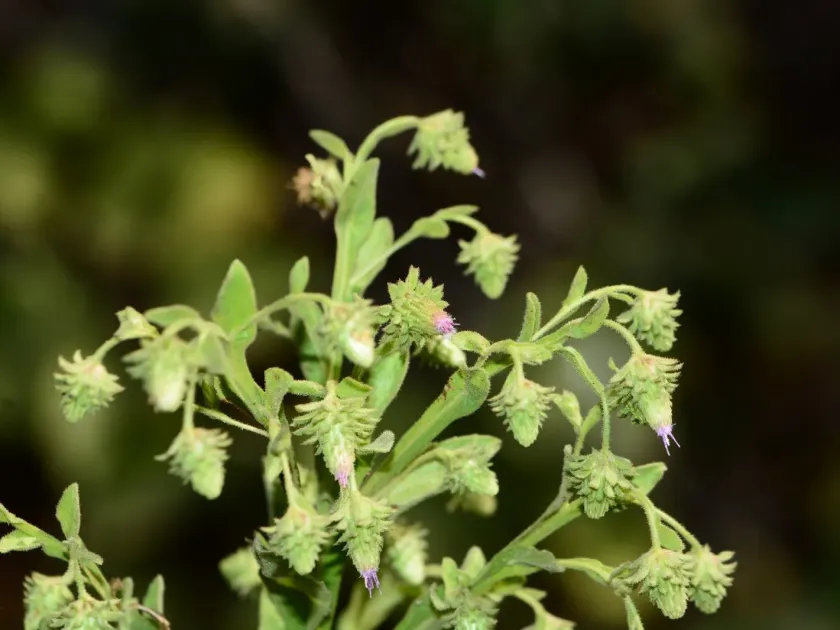
Botanically, the plant is characterized by its distinct winged stems and aromatic serrated leaves. These leaves contain a complex profile of essential oils and secondary metabolites with potential pharmacological value.
Industrial use of the plant includes the extraction of bioactive compounds such as flavonoids and terpenes, which are studied for their anti-inflammatory, antimicrobial, and antioxidant therapeutic properties.
Main diseases and pests
The primary threats to Laggera alata include fungal infections like root rot and leaf spots, which are often triggered by excessive rainfall or poor air circulation in dense plantations.
Pests such as aphids and various leaf-eating beetles can cause significant foliage damage, which directly impacts the quality of the raw material harvested for medicinal purposes.
Effective management strategies involve spacing plants correctly to ensure airflow and practicing crop rotation to prevent the buildup of soil-borne pathogens in the production area.
Integrated pest management (IPM) is highly recommended, utilizing botanical extracts or natural predators rather than synthetic pesticides to maintain the purity of the medicinal product.
Regular monitoring of the field is crucial for the early detection of pests, allowing for targeted intervention before the infestation impacts the yield of leaves and stems.