
Laggera pterodonta
Laggera pterodonta
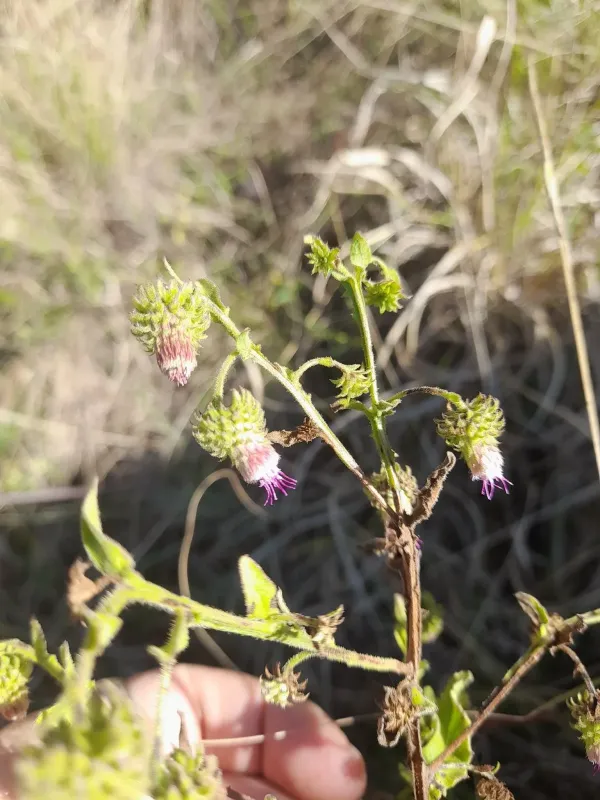
Description
Sowing dates
The sowing of Laggera pterodonta is typically conducted using seeds in specialized nurseries or directly in open fields once stable warm weather arrives. The optimal period for starting sowing operations is late spring, when soil temperatures reach 18-22 degrees Celsius.
In industrial settings, seeds are often sown in seedling trays to ensure uniform germination and save seed material. Pre-sowing preparation, including stratification, helps improve germination rates and the overall vitality of the young plants.
Sowing depth must be minimal, as the seeds are very small and require sufficient exposure to sunlight to trigger germination processes. After sowing, the soil should be lightly compacted to improve capillary contact between the seeds and the substrate.
Planting patterns depend on the cultivation goals; for raw material production, a row spacing of up to 40-50 centimeters is maintained. This interval allows for mechanized inter-row maintenance and ensures adequate airflow throughout the crop.
After uniform emergence, thinning is performed, leaving only the strongest specimens. This is a critical stage that helps avoid overcrowding, which can negatively affect root system development and the concentration of active substances in the leaves.
Growing requirements
Laggera pterodonta is a heat-loving plant of the Asteraceae family that places high demands on sunlight intensity. It is most productive in regions with long daylight hours and stable air temperatures ranging from 25 to 30 degrees Celsius.
The plant prefers loose, fertile loamy or sandy loam soils with a neutral or slightly acidic pH. Effective drainage is essential, as the culture is highly sensitive to waterlogging in the root zone, which can lead to rot and fungal infections.
Moisture supply should be regular but moderate, especially during the active growth phase. Irrigation is required during dry spells, although excessive moisture may lower the concentration of essential oils in the aerial parts of the plant.
Soil fertilization focuses on organic components that improve soil structure. Supplemental nitrogen in moderate doses promotes the growth of green mass, which is essential for industrial raw material harvesting.
Agronomic practices also include loosening the soil to control weeds and improve root aeration. Laggera pterodonta is sensitive to strong winds, so fields should ideally be located in areas protected by natural barriers.
Yield
The yield of Laggera pterodonta depends directly on adherence to agronomic regulations and soil fertility. Under optimal conditions, the yield of aerial biomass can reach significant volumes, ensuring the economic viability of commercial cultivation.
Peak biomass is collected during the active flowering phase, when the concentration of beneficial compounds reaches its maximum. Proper bush management allows for multiple harvest cycles per season.
Yield also depends on plant density per unit area. Using modern drip irrigation and fertigation methods significantly increases marketable output compared to traditional, extensive farming techniques.
After harvest, the material requires immediate drying in specialized chambers under controlled temperature. This prevents the loss of volatile components and mold development, which is critical for maintaining product quality.
Yield statistics vary by region due to the plant's sensitivity to microclimatic changes. Effective commercial use requires careful soil analysis before establishing a plantation.
Main diseases and pests
Laggera pterodonta is prone to fungal diseases under conditions of high humidity. The most common issues include root rot and powdery mildew, which affect weakened plants in overcrowded or poorly ventilated fields.
Among pests, leaf-eating insects and aphids pose the greatest threat, as they can significantly reduce the quality of the raw material. Preventative measures include the use of quality seed and timely sanitization of fields.
Biological pest control methods are preferred given the plant's use in the pharmaceutical industry. The use of aggressive insecticides is strictly limited, as they may alter the chemical profile of plant extracts.
Nematodes can also attack the root system, especially in plots with a history of monoculture. Adhering to crop rotation is an mandatory requirement to minimize the risk of soil-borne pathogens.
Monitoring should be conducted weekly, especially during the budding stage. Early detection allows for the localization of threats and helps avoid major crop losses through the application of eco-friendly agents.
Harvesting
Harvesting Laggera pterodonta is a labor-intensive process requiring precise timing. The best time for collection is just before or at the very beginning of the flowering stage, when the plant is saturated with biologically active substances.
For industrial use, mechanized harvesting is preferred using specialized mowers that cut the upper part of the stem. The cutting height is adjusted to avoid damaging the base, allowing for plant regrowth.
Collected biomass must be transported to a drying facility immediately. Prolonged storage of fresh herbs leads to overheating and the degradation of essential compounds, which diminishes the value of the final product.
Drying is carried out in shaded areas or drying cabinets at temperatures not exceeding 40-45 degrees Celsius. Overheating is strictly avoided, as it destroys the unique sesquiterpene lactones that define the plant's value.
Packaging and storage of dried material are performed in airtight containers, protecting the product from moisture and sunlight. Properly processed material maintains its therapeutic properties for up to a year if stored correctly.