
Kurram wormwood
Artemisia kurramensis
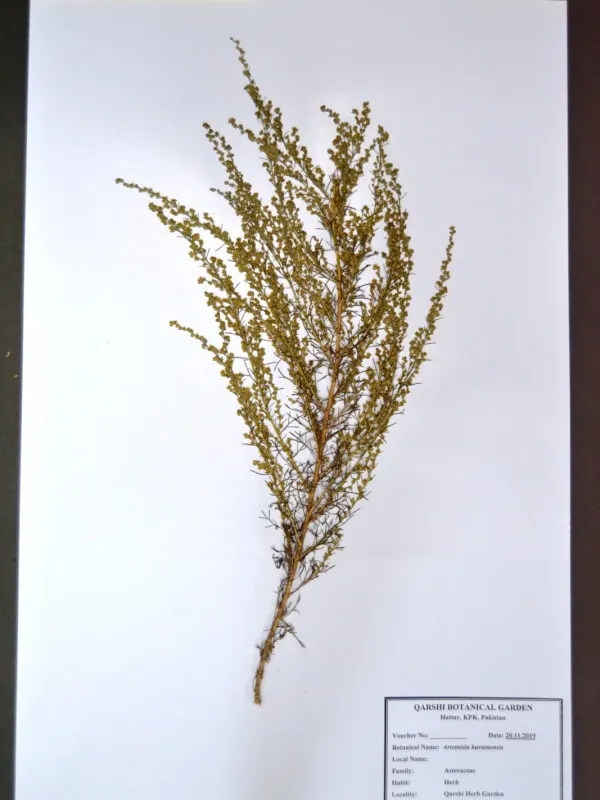
Description
Sowing dates
Kurram wormwood (Artemisia kurramensis) is a valuable essential oil and medicinal crop from the Asteraceae family. As it is native to high-altitude regions, sowing is typically conducted in early spring, once soil temperatures reach 10-12 degrees Celsius to ensure proper germination.
High-quality seeds with strong germination energy should be used, sown in rows. The seeds are very small, so the optimal planting depth is shallow, around 1-2 centimeters, ensuring they remain in close contact with moist soil without being buried too deep.
Seedlings of Kurram wormwood grow slowly during the initial stages, necessitating weed control until the rows close up. In large-scale operations, specialized seed drills designed for small seeds are utilized to maintain even plant distribution.
Once mass emergence occurs, thinning may be required to provide each plant with sufficient space for growth. Optimal plant density is crucial for maximizing the accumulation of active compounds, particularly santonin, within the flower heads.
The crop demonstrates good regenerative capacity after harvesting, though it requires attention to irrigation and fertilization during its first year. Adhering to crop rotation practices helps prevent soil-borne pathogen buildup and improves long-term yield.
Growing requirements
Kurram wormwood has high light requirements, thriving on sunny slopes and open fields. Being native to high-altitude areas, it is well-adapted to intense solar radiation, which facilitates the synthesis of its unique secondary metabolites.
The preferred soil type is well-drained and light-textured, with a neutral to slightly alkaline pH. Waterlogging is detrimental to the crop, often leading to root rot and promoting the development of fungal infections in the root zone.
While the species is drought-resistant, adequate moisture during the budding phase is essential to achieve a high-quality commercial yield. Proper irrigation management is key in regions where rainfall is irregular or seasonal.
Fertilization should prioritize phosphorus and potassium, which support shoot maturation and the accumulation of essential oils. Nitrogen application must be carefully balanced to prevent excessive vegetative growth at the expense of reproductive flower production.
For cultivation in lowland or flat areas, maintaining good soil aeration through regular inter-row cultivation is vital. This prevents surface crusting and ensures adequate oxygen exchange for the plant's root system.
Yield
Yields of Kurram wormwood depend significantly on the harvest timing and the climatic conditions of the growing season. Peak concentrations of active components are achieved when the flower buds are fully developed but before the flowers fully open.
The average yield of dried flower heads varies based on agronomic practices and the age of the plantation. Under proper management, the crop can provide consistent harvests for several years from the same planting site.
Production efficiency is enhanced by using selected cultivars that have been bred for higher concentrations of bioactive compounds. Harvesting during dry, sunny weather is essential to preserve the quality of the final product.
Yield metrics per hectare correlate with planting density and mineral nutrition levels. Successful farms often employ drip irrigation systems to stabilize yields, especially in arid or semi-arid production zones.
Primary processing and rapid drying are crucial steps. The harvested material should be dried in shaded, well-ventilated areas or specialized ovens at temperatures not exceeding 40 degrees Celsius to prevent the loss of volatile essential oils.
Main diseases and pests
Powdery mildew is a common disease affecting Kurram wormwood, particularly under high humidity and poor ventilation conditions. Prevention focuses on managing plant spacing to ensure adequate airflow within the canopy.
Root rots can develop if soil drainage is compromised or if the field remains waterlogged for extended periods. Fungicide applications are generally reserved for early-stage issues and must strictly comply with medicinal herb safety standards.
Pests such as aphids and spider mites can damage young leaves and shoots, drawing sap and reducing overall vigor. Integrated pest management using biological controls or approved, low-residue insecticides is recommended.
Weed competition is a major threat during the early development stage due to the slow initial growth of the wormwood. Regular weeding and mulching are essential to protect the crop from being overtaken by vigorous weeds.
Strict quarantine and seed quality control are necessary to prevent the introduction of viral or fungal diseases. Regular field monitoring throughout the growing season forms the basis of an effective phytosanitary management plan.
Harvesting
Harvesting Kurram wormwood is a critical process requiring precise timing. The goal is to collect the flower heads at the stage of maximum budding, as this is when the concentration of santonin and essential oils is highest before the energy is diverted to full anthesis.
Harvesting can be done manually or via specialized mechanical headers set to collect only the top portion of the flowering branches. This method allows the vegetative plant to survive and recover for subsequent harvests.
Harvested material must be transported to the processing facility immediately. Any delay can lead to internal heating of the bulk material, which rapidly degrades the active chemical components and reduces the crop's market value.
Drying is performed in climate-controlled rooms or well-ventilated sheds. Avoiding direct sunlight is vital, as UV radiation can cause pigment degradation and the oxidation of the delicate active compounds found within the flowers.
Once dried, the product is cleaned of impurities, stems, and debris. It is then packed into breathable containers, such as paper bags or jute sacks, and stored in a cool, dry environment until it is ready for pharmaceutical extraction.