
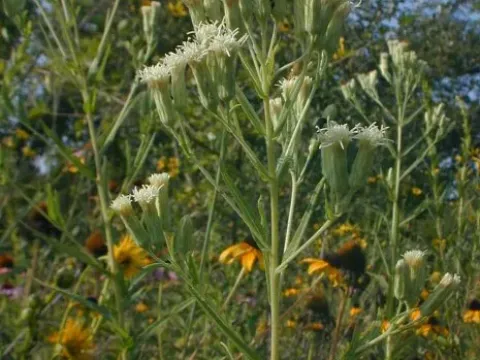
Kuhnia
Kuhnia
The genus Kuhnia, frequently synonymous with Brickellia, is a member of the Asteraceae family. These plants are recognized as perennial herbs or subshrubs, known for their distinct disc-shaped floral heads and robust growth habits.
What the section contains
Kuhnia
Native to North America, these plants are primarily found in dry prairies and rocky habitats. Their evolutionary adaptation allows them to thrive in regions where water scarcity is a significant environmental factor.
Regarding soil requirements, the crop prefers well-drained, sandy or loamy soils. It is highly intolerant of waterlogged conditions, making soil permeability a priority for successful cultivation in any agricultural or landscape setting.
Environmental conditions must include full sun exposure to maintain vigorous growth. The plant utilizes its deep root system to tap into water reserves, supporting its survival during prolonged heat waves typical of its native range.
Effective agronomic management requires strict weed control, especially during the establishment phase. Proper spacing is also essential to ensure adequate airflow, which prevents the development of fungal pathogens within the dense foliage of the plant.
The primary threats include powdery mildew, which can significantly reduce plant vitality in humid or crowded conditions. Implementing standard horticultural practices, such as pruning and site ventilation, is crucial for plant health.
Pests such as spider mites and aphids pose a moderate risk to the crop. Regular scouting is recommended to manage these threats before they reach economic injury levels, using selective control measures when necessary.