
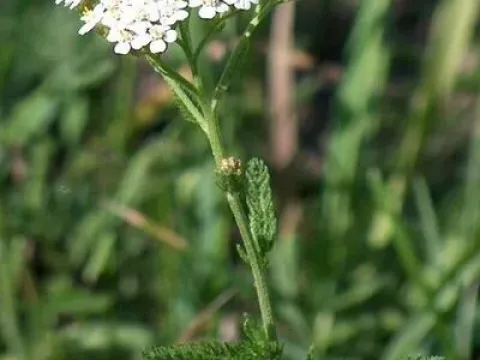
Kotschy's Yarrow
Achillea kotschyi
The cultivation of Kotschy's Yarrow (Achillea kotschyi) for agricultural purposes is primarily conducted by sowing seeds in spring once the soil temperature reaches 10-12 degrees Celsius. Producing seedlings in a greenhouse environment prior to field transplantation is the most efficient method to ensure uniform growth.
What the section contains
Kotschy's Yarrow
Due to the small size of the seeds, planting depth must be kept shallow, typically between 0.5 and 1 cm, to guarantee germination success. Row spacing should be maintained between 45 and 60 cm, allowing enough space for machinery to maneuver and facilitating efficient weed control measures.
Kotschy's Yarrow exhibits a slow growth rate in its early development stages, necessitating rigorous weed management to prevent competition. With optimal temperature conditions around 18-22 degrees, germination typically occurs within two weeks of seeding.
Autumn sowing is feasible in regions with milder winters, as it allows seeds to undergo natural stratification. This technique often leads to more vigorous early spring growth, ensuring the plants establish a strong root system before the heat of the summer season arrives.
Seeding density should be adjusted based on production objectives, whether for biomass harvest or seed multiplication. Proper spacing ensures each individual plant receives adequate sunlight, nutrients, and airflow, which are crucial for high-quality production.
Kotschy's Yarrow is a perennial plant of the Asteraceae family, well-adapted to temperate and mountainous climates. The crop thrives in light, well-draining soils, as stagnant water and saturated ground significantly increase the risk of root rot and crown damage.
As a light-loving species, it requires full sun exposure throughout the day to reach its potential in essential oil accumulation. Growing the plant in shaded conditions leads to lower concentrations of active compounds and poor overall plant health and vitality.
This crop is highly drought-tolerant, making it an excellent choice for regions where water resources are limited. While it persists in dry conditions, providing supplemental irrigation during the critical stem-elongation phase significantly boosts overall yield and biomass quality.
Soil pH should ideally be neutral or slightly alkaline for optimal nutrient uptake. On heavy clay soils, incorporating organic matter or coarse sand is essential to improve aeration and soil structure, preventing compaction that can hinder root expansion.
Fertilization with phosphorus and potassium-rich compounds applied in the autumn supports the development of a robust root system. This preparation is vital for increasing the plant's winter hardiness and ensuring long-term productivity over multiple seasons.
Yield stability in Kotschy's Yarrow is achieved by the second or third year of growth as the plant fully matures and establishes a large, productive mass. During this peak period, the plantation provides the highest return on investment for producers.
Farmers can typically expect a yield of approximately 1.5 to 3 metric tons of dried herbal material per hectare when adhering to professional cultivation guidelines. Consistency in fertilization and pest management remains the core determinant of these yield figures.
Commercial utilization involves harvesting the flowering tops and aerial parts, which are valued for their complex biochemical profiles, including sesquiterpene lactones. The market value is largely determined by the potency and purity of the extracted essential oils.
By employing modern intensive farming techniques, producers can often perform two full harvests in a single season without compromising plant health. This multi-cut strategy significantly improves the economic viability of the farm's herbal sector.
With a perennial lifespan, a single plantation can remain highly productive for 5 to 7 years. Following this period, rotation or rejuvenation is necessary, making it a reliable and long-lasting crop for specialized herbal farms.
The primary threats to the crop include fungal diseases, most notably powdery mildew, which thrives in high-humidity conditions and dense plantings. Thinning rows and ensuring proper air circulation are the most effective preventive measures against these pathogens.
Common pests like aphids and plant bugs can cause significant damage by feeding on young buds and leaves, leading to deformed flowers and reduced harvest volume. Early detection through regular field scouting is essential for protecting the crop's quality.
Root rot represents the most dangerous threat, often caused by inadequate soil drainage or waterlogged conditions. Once established, root rot is difficult to treat, reinforcing the importance of selecting suitable, well-drained soil before planting.
Leaf-feeding insects may occasionally impact the plant's aesthetic and chemical quality. In instances of heavy infestation, biological control agents are preferred over chemical pesticides to maintain the organic integrity of the harvested herbal product.
Prevention relies heavily on crop rotation and the use of high-quality, disease-free seed stock. Keeping the field clear of debris and maintaining a healthy soil environment ensures the plantation remains resistant to common threats.
Harvesting is executed during the peak flowering phase, as this is when the concentration of volatile oils and medicinal compounds reaches its highest levels. This period usually occurs during the height of summer, requiring precise timing for maximum effectiveness.
Mechanical harvesters are typically used to cut the biomass at the appropriate height, capturing both the flowers and the tender upper foliage. Speed is crucial during the harvest process to prevent premature degradation of the collected plant material.
Drying must occur in a temperature-controlled environment, ideally not exceeding 40-45 degrees Celsius, to prevent the loss of delicate aromatic oils. Maintaining the correct temperature is the most critical factor in preserving the final product's quality.
Once the material is dried to the correct moisture content, it is cleaned, sorted, and milled to meet industry standards. Final packaging in moisture-proof containers is essential for maintaining shelf life and preventing oxidation.
Properly processed Kotschy's Yarrow can be stored in cool, dark, and dry conditions for several years without significant loss of medicinal efficacy. Such longevity in storage is highly valued by pharmaceutical and cosmetic processors.