
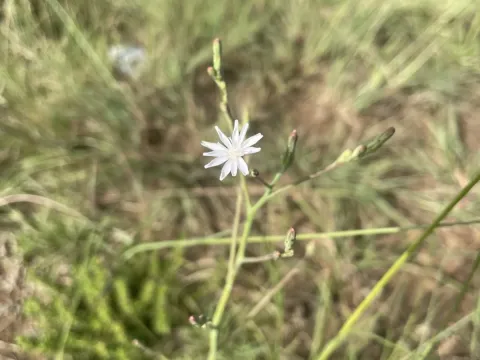
Cape lettuce
Lactuca capensis
The sowing of Cape lettuce (Lactuca capensis) is optimally timed to the onset of a warm, moist season to ensure rapid germination. In controlled environments, consistent soil temperatures of 15-20°C are ideal for promoting uniform emergence.
What the section contains
Cape lettuce
Seeds are small and should be sown at a shallow depth of approximately 0.5 cm. Covering them with a fine layer of substrate or vermiculite helps maintain the necessary moisture levels without inhibiting the light exposure required for some germination processes.
Precision seeding is recommended to avoid excessive thinning later on. A spacing of 20-25 cm between plants provides enough area for the rosette to develop fully while maintaining sufficient airflow to prevent moisture-related issues.
Pre-treatment of seeds, such as soaking for a few hours in water, can help break potential dormancy and speed up the appearance of the first true leaves. This is particularly useful in commercial settings where timing is critical.
Regular monitoring of soil moisture during the first week post-sowing is vital. The seedbed must not be allowed to dry out completely, as this can severely impact the germination rate and the final stand density of the crop.
Cape lettuce belongs to the Asteraceae family and thrives in conditions that mimic its native habitat in Southern Africa. It prefers full sun exposure but can tolerate partial shade in extremely hot climates to prevent leaf scorching.
The soil should be light, well-draining, and rich in organic matter. Sandy-loam soils are ideal for this crop, as they allow roots to penetrate easily and provide the necessary drainage to prevent root rot or fungal infections.
The temperature range for optimal vegetative growth is between 15°C and 25°C. Exposure to higher temperatures can trigger bolting, where the plant shifts its energy from leaf production to flower stalk development, rendering the leaves bitter.
Irrigation should be consistent, aiming for a moderate moisture level throughout the root zone. Drip irrigation systems are highly recommended to provide targeted water delivery while keeping the leaves dry, which significantly reduces the risk of foliar diseases.
Nutrient management focuses on nitrogen for leafy growth, supplemented with balanced levels of phosphorus and potassium for root health. Incorporating compost before planting is an excellent way to provide slow-release nutrients throughout the growing season.
Yield potential is highly dependent on the plant's ability to maintain a lush, healthy rosette of leaves. With proper management, growers can expect multiple harvests from a single planting, especially if using a leaf-picking method.
Under favorable conditions, the crop reaches technical maturity in 45 to 60 days. Early harvests generally offer the highest quality in terms of tenderness and mild flavor, which are highly valued in culinary applications.
Strategic thinning is an essential yield-boosting technique. By ensuring every plant has its own space to expand, the total biomass per square meter increases, preventing the development of weak, spindly plants that do not meet market standards.
The productivity is also linked to the prevention of premature flowering. If the environment is managed to keep the plant in the vegetative stage for as long as possible, the yield of marketable leaves can be extended significantly.
Standard yields under intensive cultivation can range from 1.5 to 2 kg/m². Achieving these figures requires careful attention to fertilization and protecting the crop from environmental stressors that could stunt growth.
Fungal diseases are the primary threat, particularly when air circulation is poor or humidity levels remain consistently high. Root rot and damping-off can occur in waterlogged soils, making soil drainage the most important preventive factor.
Aphids are the most common insect pests, feeding on the undersides of leaves and potentially transmitting viral diseases. Slugs and snails can also be problematic, especially in damp conditions, often causing significant damage to young seedlings.
Integrated Pest Management (IPM) is the most effective approach for Cape lettuce. This includes the use of beneficial insects, physical barriers against pests, and the removal of host weeds from the field borders to minimize pest migration.
Crop rotation is a critical agronomic practice to break the life cycles of soil-borne pathogens. Planting Cape lettuce in the same spot for consecutive seasons should be avoided to maintain soil health and reduce disease pressure.
Regular scouting of the plants is essential for early detection of issues. By identifying symptoms like yellowing, curling, or spotting on the leaves, growers can take immediate action to isolate the problem before it spreads throughout the entire field.
Harvesting Cape lettuce is best performed in the cool hours of the early morning. This ensures that the leaves have high turgor pressure, keeping them crisp and appealing for the final consumer and increasing their shelf life.
The harvest method should be tailored to the end-use. For retail, cutting the entire rosette is common. For home use or local market direct sales, harvesting individual outer leaves allows the plant to continue growing and producing new foliage.
Immediate post-harvest cooling is crucial to slow down the plant's respiration rate. Storing the harvested product at 2-4°C immediately after cleaning helps maintain freshness and nutritional quality for several days.
Care must be taken during the harvest process to avoid mechanical bruising. Damaged leaf tissue degrades rapidly and provides an entry point for bacteria, which can lead to rapid decay of the entire batch during transportation.
Packaging in breathable materials or perforated plastic bags is recommended to maintain the right moisture balance without causing condensation. This preserves the texture and appearance of the lettuce during shipping to the customer.