
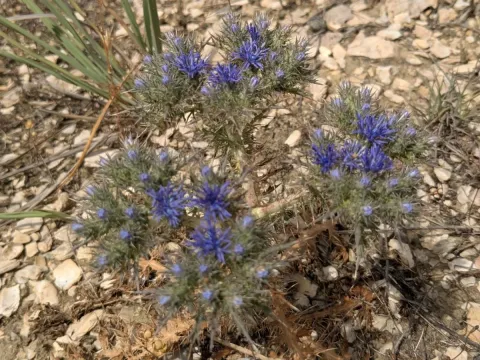
Cardopatium
Cardopatium
Cardopatium is a genus of perennial herbaceous plants belonging to the Asteraceae family. Known for its distinct resilience, this culture thrives in environments where other ornamental plants would struggle to survive.
What the section contains

Cardopatium
Originating from the Mediterranean region, Cardopatium is naturally adapted to harsh, arid climates. Its native range extends across Southern Europe, North Africa, and parts of Western Asia, where it populates rocky slopes and open scrublands.
The plant is defined by its tough, often spiny foliage and specialized inflorescences. These heads are clustered in complex corymbs, reflecting an evolutionary strategy to attract pollinators while minimizing the surface area susceptible to water loss.
Regarding cultivation requirements, Cardopatium demands excellent drainage and a sunny, exposed location. It performs best in nutrient-poor, alkaline soils and strictly requires protection from excessive soil moisture, which can quickly lead to plant death.
In terms of хозяйственное usage, it is highly valued in modern xeriscaping and sustainable landscaping. Furthermore, its unique structural properties make it a staple in the floral industry for creating high-quality, long-lasting dried arrangements.
The primary threats to Cardopatium health are related to moisture management. Root rot and fungal pathogens such as Pythium are significant risks in gardens with poor drainage or during seasons of heavy, persistent rainfall.
Pests are generally less of an issue, but soil-dwelling larvae can damage the root collar during the establishment phase. Aphids might occasionally infest young flowering stalks, particularly if the plant is stressed by extreme heat or drought.
Effective management includes preventative measures such as planting in raised beds or gravelly substrates to ensure rapid water runoff. Proper spacing is essential to facilitate air circulation, which reduces the humidity around the base of the plant.
Chemical intervention is rarely required if proper site selection is practiced. If pest pressure becomes significant, targeted applications of insecticidal soaps or biological controls are preferred over broad-spectrum pesticides to preserve pollinators.
During the harvest phase for dried flowers, plants must be handled carefully to avoid physical damage to the delicate floral structures. Drying should occur in a cool, dark, and well-ventilated area to maintain the vibrant colors of the inflorescences.