
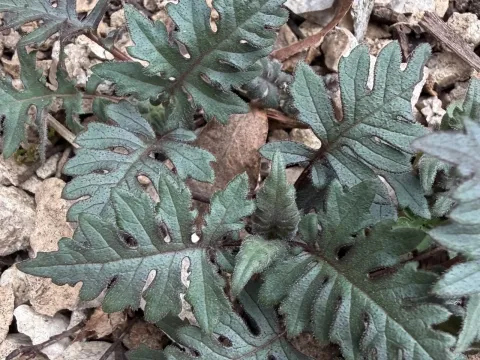
Canadian leafcup
Polymnia canadensis
The Canadian leafcup (Polymnia canadensis) is a distinct member of the Asteraceae family, primarily native to shaded woodland areas of North America. When considering sowing, it is critical to note that the seeds require cold stratification to break dormancy, making fall sowing or early spring planting essential for successful germination.
What the section contains
Canadian leafcup
Seeds should be sown in prepared nursery beds or directly into a moist, humus-rich substrate at a depth of roughly 1 centimeter. Providing a stable environment with consistent humidity levels during the initial weeks after sowing significantly increases the percentage of successful sprout emergence.
This species thrives in temperate climates, showing a marked preference for shaded or semi-shaded habitats. It is not designed for open, sun-scorched fields; instead, it performs best where the soil remains cool and moist throughout the growing season, mimicking the forest understory environment.
Soil quality is a paramount factor for the health of Polymnia canadensis. It requires well-draining, nutrient-dense soil that is rich in organic matter. A slightly acidic to neutral pH is generally considered ideal for optimal nutrient uptake and root development.
Regular maintenance involves keeping the soil hydrated without causing waterlogging, as the roots are sensitive to anaerobic conditions. Applying mulch around the base of the plants can help regulate soil temperature and moisture levels, which is particularly beneficial during the transition from late spring to summer.
Disease pressure is generally low for this species, but susceptibility to powdery mildew exists if the plant is stressed by poor air circulation or extreme drought conditions. Proper spacing during planting is the primary cultural practice to mitigate these risks.
In terms of pests, mollusks such as snails and slugs are frequent visitors in damp, shaded environments, posing a threat to tender young leaves. Monitoring the perimeter and removing debris can help minimize the presence of these pests, keeping the foliage intact and healthy.