
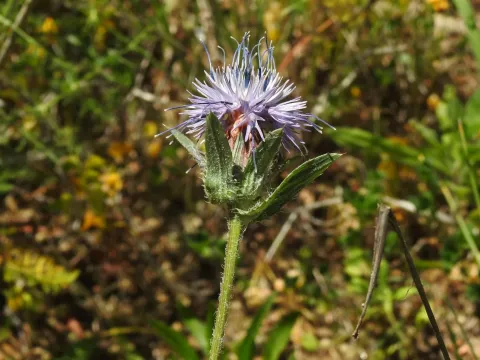
Carduncellus
Carduncellus
Carduncellus is a genus of perennial herbaceous plants belonging to the Asteraceae family. These plants are biologically related to genera such as Cnicus and Carthamus, sharing similar morphological characteristics typical of thistles.
What the section contains

Carduncellus
The native distribution of the plant spans the Mediterranean region, including parts of Northern Africa and Southern Europe. These plants thrive in open, sun-drenched environments with rocky or sandy soils that offer excellent drainage.
Climatic requirements focus on high light intensity and tolerance to temporary dry spells. The plant is well-adapted to Mediterranean climates where summers are characterized by limited rainfall and high temperatures.
Soil requirements involve moderately fertile substrates with a neutral to slightly alkaline reaction. It is essential to avoid soils with high moisture retention, as stagnant water can cause rapid root decay during the cooler months.
Agronomic practices for Carduncellus emphasize the importance of spacing and airflow, which are crucial for maintaining plant health. While not a major food crop, it serves as a valuable resource in floriculture and as a target for breeding programs aiming at arid-land agriculture.
Fungal diseases constitute the primary threat to the crop, especially when grown in environments with poor ventilation or high atmospheric humidity. Powdery mildew is a common pathogen that affects the foliage and reduces the decorative value of the plant.
Root rots represent a significant risk when the plant is cultivated on heavy, compacted, or poorly drained soils. Preventing these conditions is vital to ensure long-term survival and healthy vegetative growth.
Pests such as aphids often colonize the tender parts of the plant, including flower buds and young shoots. These infestations can weaken the plant and may require targeted intervention with biological or systemic insecticides.
Spider mites can become problematic during hot, dry summer periods, causing discoloration and senescence of the leaves. Monitoring programs and maintaining plant vigor through appropriate irrigation are essential preventive measures.
Overall, Carduncellus exhibits strong resilience provided that the site selection and soil preparation are performed correctly. Proper crop management and attention to sanitation remain the best defenses against common agricultural threats.