
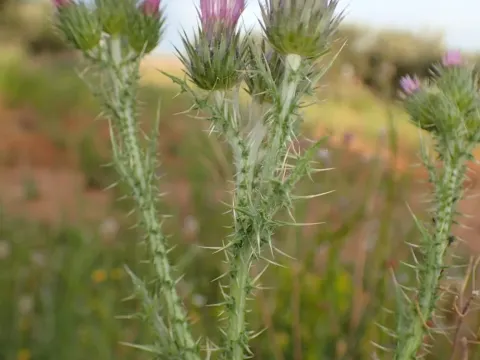
Carduus bourgeanus
Carduus bourgeanus
Carduus bourgeanus is a Mediterranean-origin plant that is best sown in late autumn to align with its natural growth cycle. This timing allows the seeds to undergo natural stratification during the winter months, ensuring optimal germination rates when spring temperatures rise.
What the section contains
Carduus bourgeanus
The seeds should be sown in well-prepared, loose soil at a depth of 1 to 2 centimeters. Ensuring sufficient moisture during the initial sowing phase is critical, though the soil must remain well-drained to prevent seed rot during colder periods.
Row spacing should be kept at 50–60 centimeters to allow for proper airflow and mechanical maintenance. Given the plant's habit of forming a broad basal rosette, sufficient spacing is essential to reduce competition for nutrients and sunlight.
If spring sowing is required, artificial stratification of the seeds in moist sand for several weeks is highly recommended. Without this treatment, the germination process can be slow and irregular, leading to uneven crop development.
Successful establishment relies on keeping the seedbed free from weeds during the first weeks of growth. Once the plant forms its primary rosette, it becomes much more competitive against surrounding vegetation.
This species thrives in full sun exposure and is highly intolerant of shade. Adequate lighting is essential for the plant to develop its robust structure and to support the production of large, healthy floral heads.
Regarding soil preferences, Carduus bourgeanus is highly adaptable but performs best on well-drained, calcareous, or stony soils. It is particularly sensitive to stagnant water, which can quickly lead to root decay and overall plant failure.
The plant demonstrates remarkable resilience to drought conditions. Once established, its deep taproot allows it to source moisture from deeper soil layers, making it a suitable candidate for lower-input farming systems.
The optimal pH range for this crop is slightly alkaline to neutral (pH 6.5–8.0). It generally performs well in poorer soils provided there is adequate drainage and minimal competition from other aggressive weed species.
Minimal fertilization is required, specifically focusing on potassium and phosphorus to support bloom development. Excessive nitrogen inputs should be avoided as they promote lush vegetative growth at the expense of reproductive success.
Fungal diseases are the primary concern, especially in areas with high humidity or poor air circulation. Powdery mildew and root rot are the most common issues that can negatively affect the crop's vigor and lifespan.
Insect pests, such as aphids and thistle-specific weevils, pose a risk during the bud development phase. These pests can damage the floral structures, severely impacting seed viability and reducing the overall quality of the harvest.
Integrated pest management is recommended, prioritizing cultural practices like crop rotation and timely weed control. These methods help to minimize the buildup of host-specific pests in the cultivation area.
Regular field scouting is essential to identify early signs of infestation or disease. By detecting issues early, farmers can intervene with targeted, often organic, methods before the problem spreads across the entire field.
Proper sanitation, including the removal and destruction of severely infected plant debris, is a vital step in breaking the disease cycle and protecting subsequent plantings from recurring infections.