
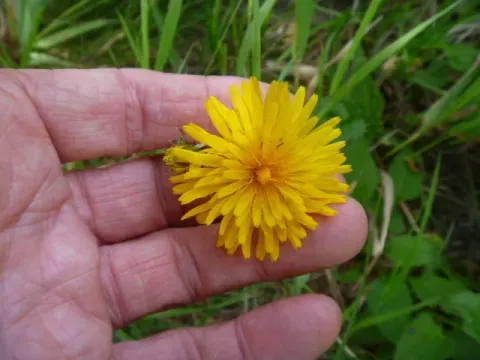
Korean hawksbeard
Crepis coreana
Korean hawksbeard (Crepis coreana) is an herbaceous plant species belonging to the Asteraceae family. It is recognized for its adaptability and potential as a forage or specialized agricultural crop in varied environments.
What the section contains
Korean hawksbeard
Sowing should take place in early spring as soon as soil temperatures reach +5...+8°C. Early planting allows the crop to establish a robust vegetative structure before the onset of the peak heat of summer.
The seeds are small and should be sown at a shallow depth of approximately 1–2 centimeters. Proper seed-to-soil contact is essential for uniform germination, often achieved through light rolling of the soil surface after sowing.
A row spacing of 15–20 centimeters is recommended for optimal plant density. This spacing facilitates efficient weed control and ensures that each plant has adequate access to nutrients, water, and sunlight.
Using high-quality seeds with high germination energy is crucial for success. Under favorable conditions, emergence typically occurs within two weeks, signaling the start of the primary vegetative growth phase.
The crop thrives in well-drained loamy or sandy soils with a neutral pH level. Proper drainage is particularly important to prevent root decay and ensure healthy development throughout the growing season.
Korean hawksbeard is a sun-loving plant that requires full exposure to solar radiation. Adequate light levels are vital for maximizing photosynthetic activity and promoting the healthy development of the leafy biomass.
While the plant shows moderate drought tolerance, it requires consistent moisture for high yield production. Regular irrigation during dry spells, especially during the stem elongation stage, significantly enhances biomass quality.
Balanced fertilization is key to growth. Nitrogen should be applied carefully to avoid excessive vegetative growth that may lead to stem lodging, while phosphorus and potassium promote strong roots and general stress resistance.
The plant adapts well to temperate climates with cool spring temperatures. It requires a relatively long frost-free season for optimal development and seed maturation if grown for reproductive purposes.
Fungal diseases, particularly powdery mildew and various leaf spots, are the primary threats to the crop. These pathogens often thrive in conditions of high humidity and poor airflow within the planting rows.
Insect pests such as aphids and thrips can cause damage by feeding on young foliage, potentially stunting growth and decreasing harvest quality. Early detection through regular field scouting is essential.
Crop rotation is the most effective preventative measure against soil-borne pathogens. Avoiding fields where related Asteraceae species were recently grown helps minimize the pressure from pests and diseases.
Weed management is vital not only for reducing competition for resources but also for eliminating secondary hosts that harbor insects. Clean cultivation practices significantly improve the crop's natural immunity.
When chemical intervention is necessary, the use of targeted fungicides and insecticides should be performed strictly according to local agricultural regulations to ensure safety and environmental compliance.
For high-quality forage, harvesting should commence at the onset of the flowering stage. At this phenological phase, the plant contains the highest concentration of digestible nutrients and structural proteins.
If harvested for seed, the timing is critical to prevent yield loss from shattering. Once the seed heads begin to turn brown, harvesting should be performed promptly, ideally during cooler times of the day.
Mechanical harvesting utilizing forage harvesters or standard combines is common. Careful adjustment of the cutting height is required to maintain the integrity of the harvest and prevent contamination with soil.
Post-harvest processing involves drying the seeds to a moisture content of 12-14%. Proper drying is the most significant factor in maintaining seed viability and preventing spoilage during long-term storage.
The recycling of harvest residues back into the field as organic matter is a recommended practice. This improves soil structure and nutrient availability for the following crops in the rotation cycle.