
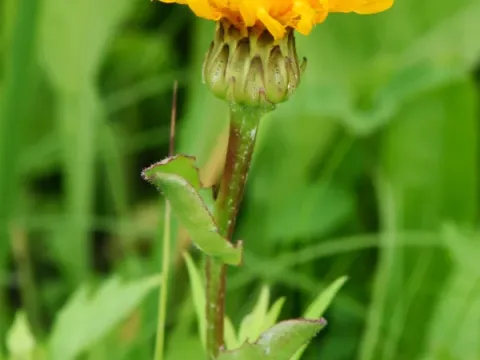
Hypochaeris ciliata
Hypochaeris ciliata
Hypochaeris ciliata is a perennial herbaceous plant belonging to the Asteraceae family. In agricultural practices, it is recognized as a resilient component of meadow ecosystems, providing high-quality biomass suitable for grazing livestock in various climatic zones.
What the section contains
Hypochaeris ciliata
The native range of the species spans across the steppe and forest-steppe zones of Eurasia, including parts of Siberia and East Asia. It is well-adapted to fluctuating seasonal temperatures and thrives in regions where hardy, perennial vegetation is required for sustainable soil cover.
The plant requires well-drained soils with moderate fertility to achieve maximum productivity. While it is adaptable to various soil types, loamy and sandy-loam soils are ideal for supporting its root structure and ensuring consistent growth throughout the vegetative cycle.
Botanically, it features a robust basal rosette and an upright stem that supports flowering heads. The presence of fine cilia on the leaves, which gives the plant its name, serves as an adaptation to minimize transpiration and survive in diverse environmental conditions.
The primary agricultural utility of Hypochaeris ciliata lies in its use as forage for cattle and small ruminants. It is favored by farmers for its early spring regrowth and its ability to maintain nutritional value, making it a valuable addition to permanent pasture mixtures.
The culture can be susceptible to fungal diseases such as downy mildew and rust, especially in areas with poor drainage and high humidity levels. Proper site selection and avoiding waterlogged soil are essential preventative measures against these pathogens.
In terms of pests, the plant may attract various aphids and leaf-eating beetles. Integrated pest management strategies, focusing on maintaining strong plant vigor and utilizing natural beneficial insect populations, are recommended to minimize potential damage to the crops.