
Hymenoxys tweediei
Hymenoxys tweediei
Description
Growing requirements
Hymenoxys tweediei is a herbaceous perennial plant belonging to the Asteraceae family. This species possesses high adaptability and is naturally distributed across regions of South America, specifically Argentina and Uruguay.
The plant prefers well-drained, light-textured soils. An optimal development environment includes a neutral to slightly alkaline soil pH. A critical requirement is the absence of standing water in the root zone, as excessive moisture often leads to rapid development of root rot.
This crop is heliophilic, requiring open, sun-exposed sites for proper growth and the formation of compact leaf rosettes. Insufficient solar radiation causes the stems to stretch, which significantly reduces the ornamental appeal and structural stability of the plant.
In terms of climate, Hymenoxys tweediei demonstrates moderate tolerance to drought. Nevertheless, to sustain active vegetative growth during hot months, regular but moderate irrigation is essential to maintain optimal moisture without waterlogging the substrate.
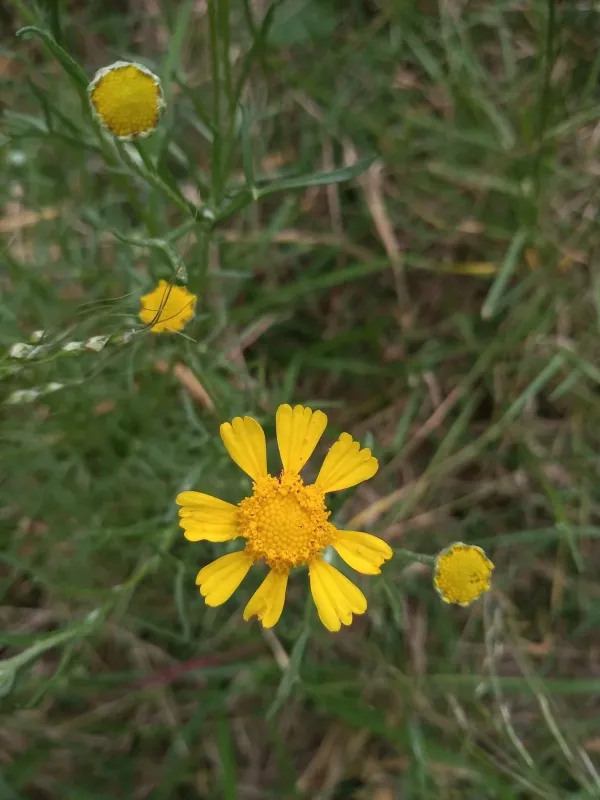
Botanically, the plant is characterized by a basal rosette of narrow leaves and vibrant yellow flower heads, typical for the Hymenoxys genus. Its primary хозяйственное application is in ornamental horticulture, where it is valued for its long flowering period and resilience in garden borders.
Main diseases and pests
The primary threats to the health of Hymenoxys tweediei are fungal diseases that develop due to improper irrigation practices or poor ventilation. The most significant risks include powdery mildew and various types of root rot triggered by water-saturated soils.
Pests that commonly affect this crop include typical garden inhabitants such as aphids, which accumulate on young shoots and flower buds, feeding on plant sap. This leads to the deformation of inflorescences and overall weakening of the plant's health.
Spider mites can pose a threat under conditions of low humidity and high ambient temperatures, especially in arid climates or greenhouses. Their activity manifests as pale spots on leaves and the formation of fine webbing, eventually leading to chlorosis.
Thrips may also damage leaf and flower tissues by extracting sap, leaving behind characteristic silvery streaks. In cases of severe infestation, the application of systemic insecticides, specifically labeled for ornamental plants, is recommended to mitigate damage.
Disease prevention is primarily based on adhering to agricultural standards: ensuring proper planting density for air circulation and avoiding soil over-saturation. Prompt removal of damaged plant parts helps to successfully curtail the spread of pathogens throughout the planting area.