
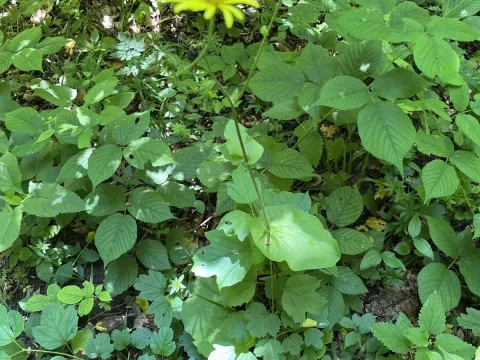
Doronicum macrophyllum
Doronicum macrophyllum
The sowing of Doronicum macrophyllum seeds is typically performed in late spring or autumn, depending on the local climatic conditions and cultivation goals.
What the section contains
Doronicum macrophyllum
Seeds are sown in prepared nursery beds or containers, ensuring they are only lightly covered with fine soil or vermiculite to facilitate germination.
Seedlings should be kept in a well-ventilated area with moderate light levels to prevent stretching and to ensure healthy, sturdy growth.
Hardening off the young plants is a crucial step before transplanting them into the open ground to ensure their successful adaptation.
Proper spacing during transplantation is essential to allow for the expansion of the leafy rosettes during the first year of development.
As a member of the Asteraceae family, this perennial thrives in cool, moist, and partially shaded environments typical of forest edges.
The soil should be nutrient-rich, well-draining, and consistently moist, as the plant does not tolerate prolonged drought or waterlogging.
During the growing season, a regular watering schedule is highly recommended to maintain the vigor and aesthetic appeal of the foliage.
While the plant is quite hardy, providing a layer of mulch in early spring can help retain moisture and improve overall soil health.
It prefers a temperate climate and is well-adapted to cooler regions where it can survive winter dormancy with minimal protection.
Typical pests affecting this crop include aphids and sap-sucking insects that can weaken the plants if populations become too dense.
Fungal diseases, such as powdery mildew, often arise in areas with poor airflow and high humidity levels during the peak of summer.
Effective pest management involves using targeted biological or chemical controls at the first sign of infestation to prevent spread.
Maintaining clear pathways between plants and removing debris helps reduce the risk of soil-borne pathogens and decay.
Monitoring the undersides of leaves regularly allows growers to detect early-stage damage and take corrective measures quickly.
Doronicum macrophyllum is primarily cultivated for its ornamental value in landscaping, providing bright yellow flowers in early spring.
Cut flowers should be harvested when the buds are just starting to open to ensure maximum vase life and petal integrity after cutting.
Post-flowering maintenance involves cutting back the spent stalks to promote cleaner growth and prevent unwanted self-seeding in the garden.
Division of mature root clumps is an essential practice every few years to maintain the health and flowering potential of the plant.
The plant does not serve as a traditional agricultural food crop but remains highly valued in horticultural and landscape design projects.