
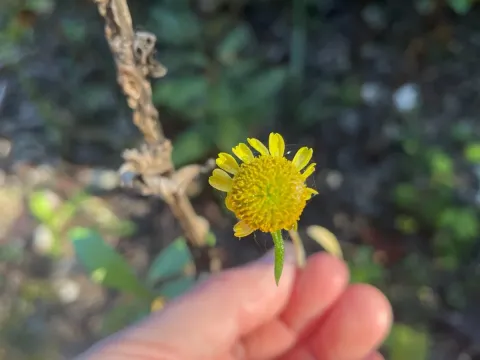
Helenium
Helenium L.
Direct seeding of Helenium into open ground is recommended in late autumn. Natural winter stratification ensures high germination rates when the temperatures rise in the spring.
What the section contains


Helenium
For early bloomers, starting seeds indoors in March is the standard practice. Keep the temperature around 18-20 degrees Celsius to promote uniform seedling growth.
Seedlings require transplanting (pricking out) once they develop their first set of true leaves. This step is crucial for strengthening the root system before the final planting stage.
Plants should be moved to their permanent locations in late May or early June. Ensure that the soil is prepared beforehand to support the rapid development of the root zone.
Helenium, a member of the Asteraceae family, is a perennial flowering plant originating from North America. Its biology is characterized by distinct inflorescences and robust foliage.
The crop requires full sun exposure to flourish. Planting in shaded areas leads to weak stems that are susceptible to lodging and reduced flower production throughout the season.
Soil should be nutrient-rich, moist, and well-draining. While Helenium prefers loamy textures, it is essential to ensure that the ground does not dry out completely during the growing cycle.
Mulching is a highly recommended agricultural practice. It helps retain soil moisture, suppresses weed growth, and protects the soil from rapid temperature fluctuations during the heat of summer.
Consistent watering is vital for the health of the plant. During dry periods, supplementary irrigation should be provided to ensure the plants maintain their vigor and lush appearance.
Regular fertilization with potassium and phosphorus helps maintain strong growth and encourages the production of vibrant flowers. Apply fertilizers before the budding phase commences.
The chrysanthemum nematode is the most serious pest affecting Helenium. It targets the plant's tissues, resulting in stunted development and potential destruction of the foliage.
Fungal diseases such as powdery mildew and grey mold are common in poorly ventilated areas. Overcrowded planting patterns significantly increase the risk of these infections taking hold.
Management of these threats involves the strategic use of nematicides and fungicides. Early detection through regular field scouting is key to minimizing the impact of potential outbreaks.
Maintaining good airflow around the plants is essential for prevention. Pruning or thinning out congested plantings helps reduce humidity levels, which discourages fungal pathogens.
Proper sanitation at the end of the season, including the removal of debris, significantly lowers the overwintering population of pests and the presence of fungal spores.