
Heart-leaved dandelion
Taraxacum cordatum
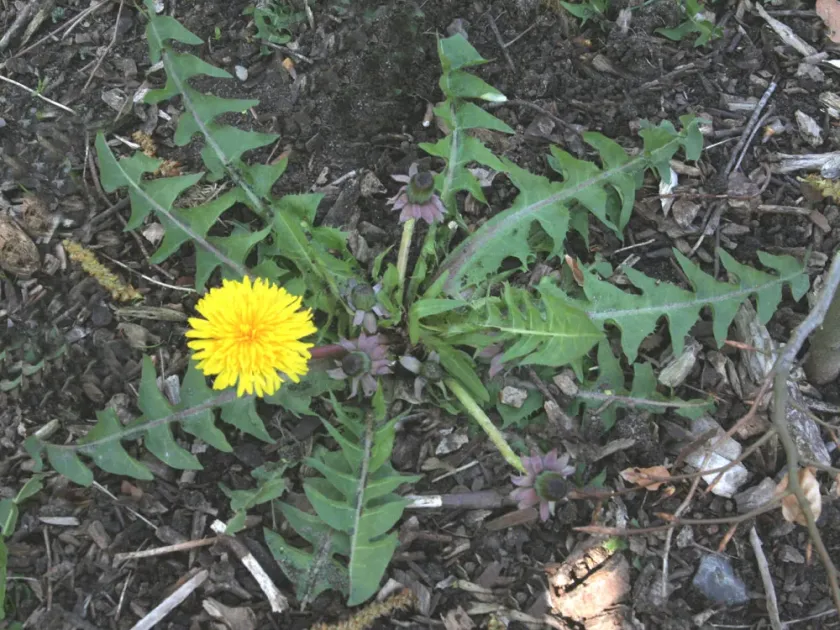
Description
Sowing dates
Heart-leaved dandelion (Taraxacum cordatum) is a perennial herbaceous plant belonging to the Asteraceae family. Sowing is typically performed in early spring or late autumn to allow the seeds to adapt to soil conditions before the active growth phase.
The seeds are small and should be sown at a shallow depth of 0.5 to 1 cm to ensure proper germination. Compacted soil after sowing helps improve moisture contact with the seeds.
Row cropping is the most efficient method for large-scale production, with spacing set at 30–40 cm between rows to facilitate mechanical weeding and maintenance.
The seeding rate is generally between 2–3 kg per hectare, depending on seed viability and soil preparation quality. Ensuring uniform distribution is crucial for achieving a balanced stand.
Covering the seeded area with a thin layer of compost or protective fabric can preserve surface humidity, which is vital for the successful establishment of the crop.
Growing requirements
Heart-leaved dandelion thrives in well-lit, sunny areas with sandy loam or loamy soils. Good drainage is essential, as the plant does not tolerate waterlogging, which can cause root rot.
The soil should have a neutral to slightly acidic pH, typically ranging from 6.0 to 7.0. Proper soil aeration is vital for the development of a healthy, robust taproot.
While the plant is hardy, it requires consistent moisture during the initial growth stages. Once established, it demonstrates high resilience to environmental stress and fluctuating temperatures.
Organic matter enrichment, such as well-rotted manure or compost, is recommended before planting to provide the necessary nutrients for biomass production.
Wind protection and proper spacing are important to avoid the accumulation of excessive moisture in the foliage, which can trigger fungal diseases.
Yield
The yield of Heart-leaved dandelion is optimized during the second year of cultivation. In the first year, the plant focuses on establishing its root system and rosette.
Yield components depend on soil fertility and regular inter-row cultivation. Proper management can lead to significant biomass production for pharmaceutical and food industries.
Dry root yield typically ranges from 1.5 to 2.5 tonnes per hectare, depending on the intensity of farm management and the climatic conditions of the region.
Multiple harvests of leaves per season are possible if proper irrigation and fertilization are provided, making the crop economically viable for specialized farms.
Consistent care during the growth phase ensures that the roots develop high concentrations of inulin and other valuable phytochemicals.
Main diseases and pests
Powdery mildew is a common threat, especially in dense plantings with poor air circulation. Improving spacing and removing affected leaves can help control the spread.
Pests such as aphids and soil-borne nematodes can impact development. Integrated pest management (IPM) practices are recommended to mitigate these issues effectively.
Root rot occurs if the soil remains waterlogged for extended periods. Selecting well-drained sites is the primary method for preventing this infection.
Rust disease may affect the leaves during humid summer months, requiring regular monitoring and timely removal of infected plant materials to protect the crop.
- Implement regular crop rotation to prevent soil-borne diseases.
- Use organic fungicides when early signs of infection appear.
- Maintain weed-free conditions to reduce pest shelter.
Harvesting
Harvesting for leaf production is best timed at the onset of flowering, when the concentration of essential nutrients and phytochemicals is at its highest.
Root harvesting is performed during the dormant season, either in late autumn or early spring, ensuring maximum inulin content within the plant tissue.
After mechanical digging, roots must be washed thoroughly to remove soil and debris before the drying process begins.
Drying is a critical step; it should be carried out in climate-controlled dryers at temperatures not exceeding 45°C to preserve the chemical integrity of the product.
Modern harvesting equipment, such as potato diggers modified for small roots, is typically used to ensure efficient extraction while minimizing damage to the primary roots.