
Helenium bigelovii
Helenium bigelovii Torr. & A. Gray
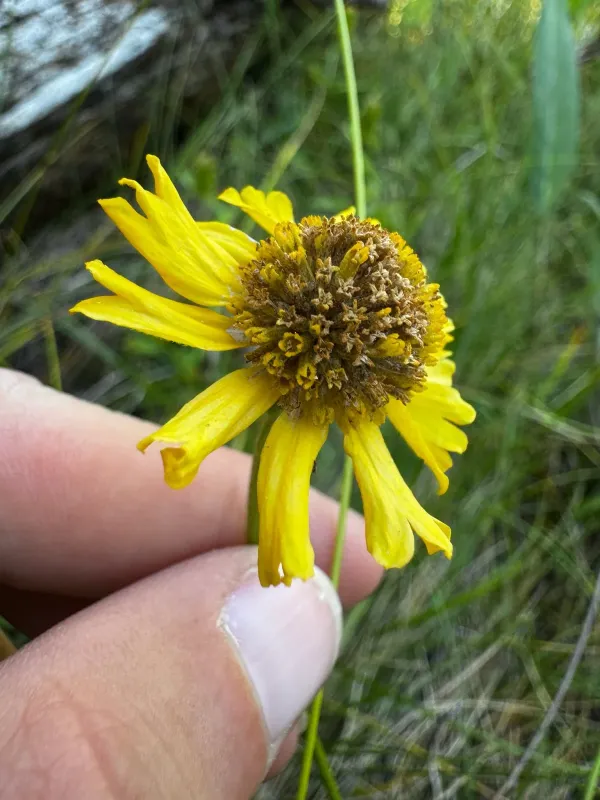
Description
Sowing dates
Helenium bigelovii is typically propagated via seeds sown in early spring, ensuring the soil is sufficiently warmed to support germination and initial root development.
For more predictable results, nursery-grown seedlings are preferred, started indoors in late winter to establish a strong root system before the outdoor planting season.
Seeds require a period of stratification to break dormancy; keeping them at cool temperatures for several weeks mimics their natural cycle and improves overall success rates.
When sowing, seeds should be surface-sown as they require light to germinate, making it essential to keep the medium moist but not waterlogged during the early phases.
Consistent environmental conditions, including moderate humidity and temperatures around 20 degrees Celsius, will produce healthy seedlings ready for transplanting by mid-spring.
Growing requirements
As a member of the Asteraceae family, Helenium bigelovii thrives in full sun, which is necessary to promote the development of its signature golden-yellow blooms.
The species prefers moisture-retentive, fertile soils that mimic its native North American habitats, such as wet meadows and mountain slopes where water is abundant.
Regular irrigation is vital during dry periods; without adequate moisture, the plants may show signs of stress, including scorched leaf margins and stunted floral growth.
Soil pH should ideally be neutral or slightly acidic, and incorporating organic compost into the planting site significantly enhances the structure and nutrient content.
Space the plants adequately to ensure good air circulation, which helps manage the plant's natural tendency to trap humidity and helps in preventing fungal issues.
Main diseases and pests
Fungal diseases like powdery mildew are common threats, especially when plants are grown in overcrowded conditions or areas with stagnant air and high humidity levels.
Pests such as aphids and leaf beetles can cause significant damage to the foliage and buds, necessitating regular monitoring throughout the active growing season.
Slugs and snails often pose a challenge to young, tender growth during the early stages, requiring the implementation of mechanical barriers or safe control methods.
Sanitation is key to disease prevention; removing decaying plant matter at the end of the season reduces the population of overwintering pathogens in the local environment.
When pest infestations exceed manageable thresholds, targeted applications of organic insecticides or insecticidal soaps can mitigate damage while protecting beneficial pollinators.