
Common sneezeweed
Helenium autumnale L.
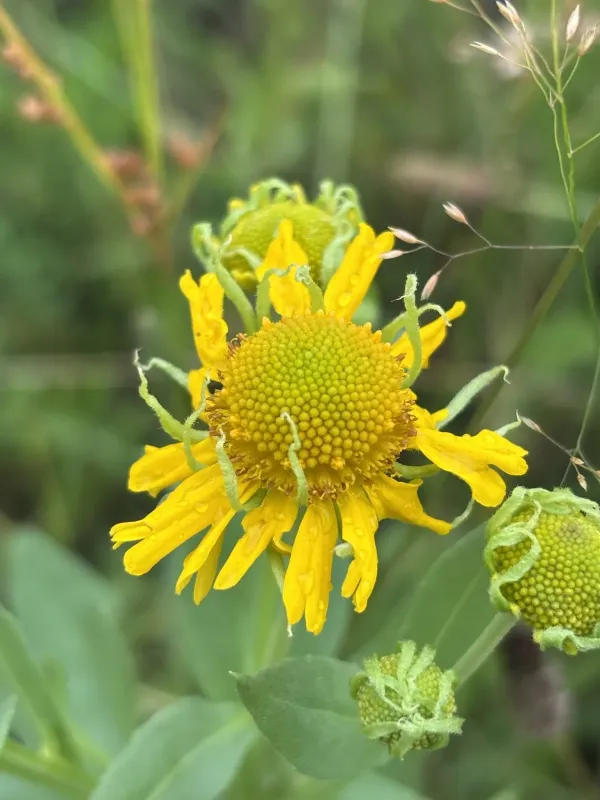
Description
Sowing dates
Helenium autumnale, commonly known as common sneezeweed, is a robust herbaceous perennial belonging to the Asteraceae family. It is typically propagated through seeds sown in spring or by division of mature clumps.
When starting from seeds, it is recommended to sow them indoors in late winter. Seeds require a period of cold stratification to break dormancy and ensure uniform germination across the tray.
Transplanting into the garden should occur after the risk of frost has passed in late spring. Young plants establish themselves well in soil that has been enriched with organic matter prior to planting.
Division is best performed every three to four years in early spring. This practice rejuvenates the plant, prevents overcrowding, and promotes more vigorous flowering during the upcoming season.
Proper spacing, usually ranging from 45 to 60 centimeters apart, is essential to allow sufficient airflow, which significantly reduces the risk of foliar diseases during humid periods.
Growing requirements
Common sneezeweed is highly photophilic and thrives in full sun exposure. While it can tolerate partial shade, insufficient light will result in weak, leggy stems that require mechanical support to remain upright.
The ideal soil for this species is fertile, moisture-retentive, and well-draining. Although it prefers consistent moisture, the plant is susceptible to root rot if the soil remains waterlogged for extended periods.
Regular irrigation is vital during the peak growing season, particularly if rainfall is scarce. Providing supplemental water ensures that the plants reach their full height and bloom potential.
Fertilization with a balanced, slow-release granular fertilizer in early spring supports healthy growth. Avoid excessive nitrogen late in the season, as it can stimulate soft growth that is prone to lodging.
Applying a layer of mulch around the base of the plant helps to conserve soil moisture, suppresses weed competition, and protects the root zone from extreme temperature fluctuations.
Main diseases and pests
The primary pathological challenge for Helenium autumnale is powdery mildew, which manifests as a white, dusty coating on the leaves. It is most prevalent in environments with poor air circulation.
Root rot remains a concern in poorly drained heavy soils. To mitigate this risk, ensure the planting site is elevated or improved with compost to facilitate better water drainage.
Pests such as chrysanthemum nematodes can severely affect the plant by causing stunted growth and leaf distortion. Infected plant material must be removed and disposed of away from the garden.
Slugs and snails may feed on emerging spring shoots during cool, damp weather. Hand-picking or using environmentally safe bait traps can effectively manage these populations.
General garden sanitation, including the thorough cleanup of plant debris at the end of the autumn season, is the most effective cultural practice for preventing recurring pest and disease issues.