
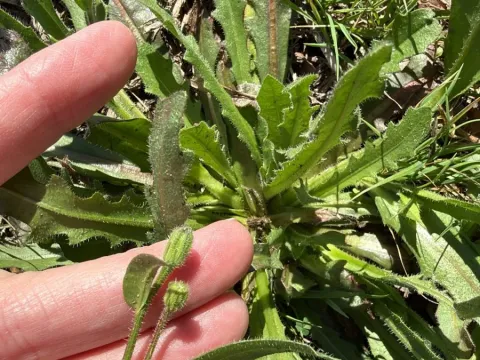
Hedypnois
Hedypnois
Hedypnois is an annual plant that thrives in temperate and Mediterranean climates. Sowing should typically take place in the autumn, allowing the seeds to germinate with the onset of the first seasonal rains, which ensures strong establishment before the winter months.
What the section contains

Hedypnois
The seeds are small and should be sown at a shallow depth of approximately 0.5 to 1 cm. A well-prepared seedbed is essential, as the fine texture of the soil promotes consistent germination and prevents seed desiccation during the early phases.
In field production, spacing should be maintained at about 20–30 cm between rows. This distance allows for optimal light penetration and air circulation, which are crucial factors for the plant's healthy vegetative growth.
Spring sowing is possible in cooler regions, but it requires careful moisture management to prevent the plant from flowering too quickly as temperatures rise. Ensuring consistent hydration during the vegetative stage is key to maximizing leaf production.
The plant is known for its ability to adapt to varying light conditions, though it performs best in full sun. Proper site selection based on exposure can significantly influence the speed and quality of the crop development.
As a member of the Asteraceae family, Hedypnois prefers well-drained, sandy-loam soils. It has a high tolerance for poor-quality substrates, making it an excellent candidate for utilizing marginal agricultural land that may not support more demanding crops.
The optimal soil pH range for Hedypnois is between 6.5 and 7.5. While it does not require significant fertilization, a balanced supply of nitrogen during the vegetative phase can lead to a marked increase in total green biomass.
Water requirements are moderate. The plant is naturally drought-tolerant due to its resilient root system, but for commercial production, maintaining soil moisture during dry spells will significantly improve the quality of the harvested foliage.
Temperatures between 15°C and 22°C are ideal for the plant's growth. It handles minor temperature fluctuations well, although extreme heat can trigger an early shift to the reproductive phase, effectively ending the leaf harvest season.
Aeration is important for this species, as it prevents the development of soil-borne pathogens. Planting on slightly elevated beds can help maintain soil health and improve overall plant vigor in regions with higher rainfall.
The yield of Hedypnois primarily consists of leafy greens, which are highly regarded for their nutritional content. Harvesting the plants before the onset of flowering ensures the highest quality of biomass for both human consumption and animal feed.
When used as a fodder crop, Hedypnois provides an excellent early-season source of nutrition for livestock. The high digestibility of its leaves makes it a preferred grazing plant for sheep and goats during the spring.
In culinary contexts, the yield per plant is maximized through selective harvesting. By picking outer leaves, growers can encourage the plant to continue producing new growth for several weeks, thereby extending the production cycle.
Seed yield is also notably high, providing opportunities for self-seeding or collection for future planting seasons. A single plant can produce a substantial number of seeds, facilitating easy propagation across larger areas.
Commercial efficiency is high due to the plant's lack of complex cultivation requirements. It is a low-input crop that can offer steady production with minimal economic overhead for growers.
Aphids are the most common pests affecting Hedypnois, particularly during the warmer months when they colonize the underside of leaves. Regular monitoring and early intervention with biological controls can mitigate their impact.
Fungal diseases, such as powdery mildew, may occur if plants are grown in overcrowded conditions with poor air circulation. Proper row spacing is the most effective cultural practice for preventing these types of infections.
Slugs and snails can present a challenge for young seedlings in moist environments. Implementing physical barriers or organic bait can help protect the vulnerable early growth stages from significant damage.
Root rot caused by stagnant water or excessively heavy soils is a potential risk. Ensuring that fields are well-drained and avoiding over-irrigation are critical steps for maintaining plant health.
Generally, Hedypnois possesses strong natural resistance. When grown in a diverse crop rotation, the risk of specialized pests and diseases is significantly reduced compared to monoculture systems.
Harvesting for culinary use involves the manual cutting of the basal leaf rosettes. This method keeps the central growing point intact, allowing the plant to regenerate and provide multiple cuttings throughout the season.
Harvesting is best performed in the early morning when the moisture content and turgor of the leaves are at their peak. This helps ensure that the product maintains its freshness and nutritional density post-harvest.
For seed production, the entire plant should be harvested once the flower heads have turned brown and reached full maturity. The material should be dried in a well-ventilated area before threshing to prevent moisture-related spoilage.
Immediate cooling is required after harvest to preserve the quality of the greens. Storing the crop in crates with adequate airflow and keeping it at a temperature of 2–4°C will extend its shelf life considerably.
When harvesting for forage, mowing can be performed at the start of the flowering stage. This timing optimizes the balance between biomass quantity and the nutritional value of the plant material.