
Helenium aromaticum
Helenium aromaticum (Hook.) L. H. Bailey
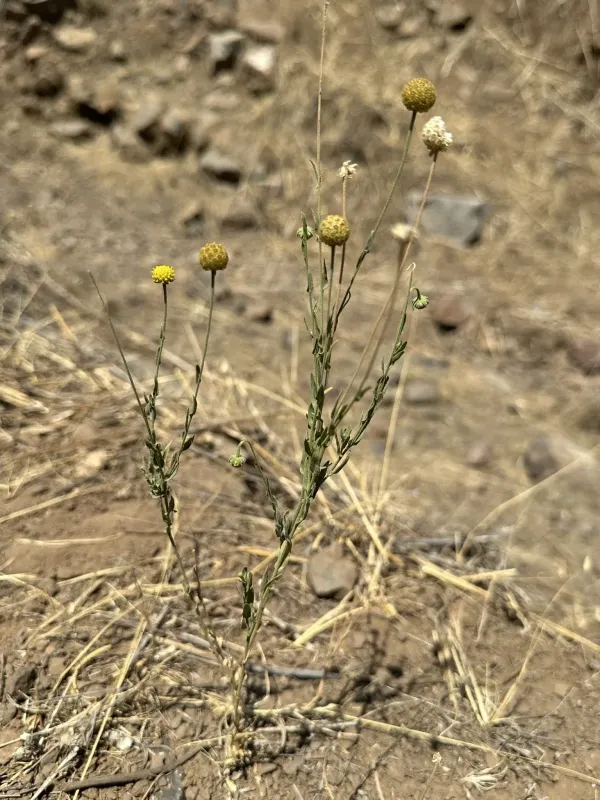
Description
Sowing dates
Sowing of Helenium aromaticum seeds is typically scheduled for early spring once soil temperatures reach a consistent 12–15 degrees Celsius.
Seeds are sown at a shallow depth of 1–2 centimeters, ensuring they remain in constant contact with moist soil for optimal germination rates.
For colder climates, starting plants in a greenhouse using the transplant method is recommended to extend the growing season effectively.
Proper spacing between rows, ideally 40 to 50 centimeters apart, is essential for maintaining plant health and preventing overcrowding.
Consistent moisture management post-seeding helps in establishing strong seedlings, which is crucial for uniform crop development in the field.
Growing requirements
As a member of the Asteraceae family, Helenium aromaticum is a plant native to South American regions where it thrives under high sun exposure.
The crop requires full solar exposure throughout the day to maximize the synthesis of its distinctive aromatic oils within the foliage.
Well-draining, nutrient-rich soils with a pH ranging from 6.0 to 7.0 are ideal for supporting healthy growth and high yields.
While the plant shows resilience during short dry spells, supplemental irrigation is necessary during peak vegetative growth to ensure vitality.
The soil structure should be loose and friable to prevent waterlogging, which can cause significant damage to the root system of the crop.
Main diseases and pests
Fungal infections are the most common issue in Helenium aromaticum cultivation, especially when air circulation is inadequate in the field.
Powdery mildew represents a major threat during humid summer months, requiring vigilant monitoring and timely intervention with suitable fungicides.
Pests such as aphids and spider mites can infest the leaves, sapping nutrients and potentially stunting the growth of the young plants.
Root rot is typically associated with overwatering or poor soil drainage, making drainage management a top priority for successful production.
Integrated pest management, including regular weeding and rotation, is essential to minimize the risk of pest populations establishing themselves.
Harvesting
Harvesting should be timed precisely with the plant's full flowering phase, as this is when essential oil concentration peaks.
The aerial parts of the plant are harvested using clean shears, cutting at a height of 10–15 centimeters above the ground surface.
Immediate post-harvest processing is required, moving the material to ventilated drying racks located in shaded, temperature-controlled environments.
Drying temperatures must be kept strictly below 40 degrees Celsius to prevent the loss of volatile compounds and preserve quality.
Final storage involves placing the dried material in moisture-proof containers to maintain the plant's potency and aroma over time.