
Heart-leaved daisy
Bellis cordifolia
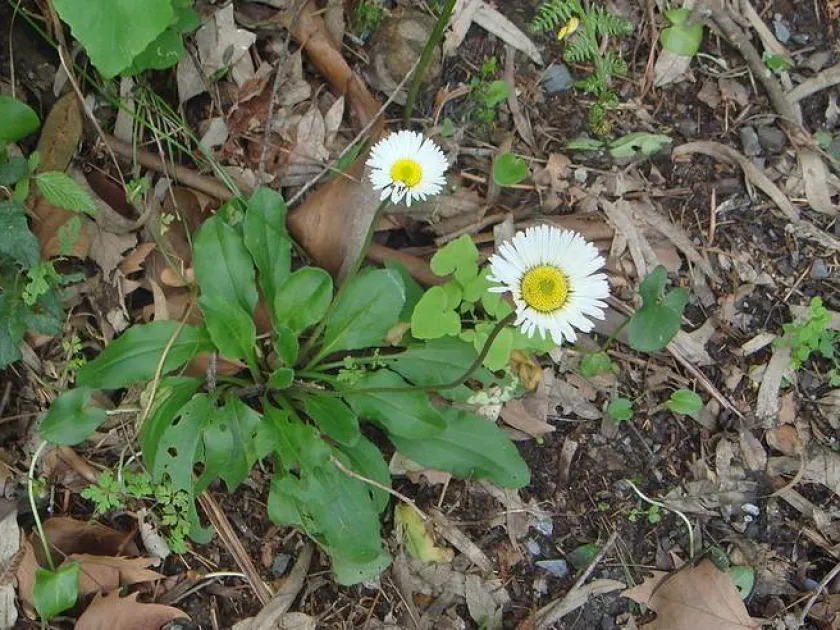
Description
Sowing dates
Sowing of the heart-leaved daisy (Bellis cordifolia) is ideally performed in late spring once the threat of frost has passed or in late summer to ensure root establishment.
Seeds should be sown in a well-drained, nutrient-rich substrate, requiring sufficient light for germination, which means they should not be buried too deeply in the soil.
For greenhouse production, sowing in trays during early spring is recommended to allow for controlled environmental conditions before moving plants outdoors.
Spacing should be maintained at approximately 20 centimeters between plants to allow for the natural spread of the basal leaves and to ensure adequate air circulation.
Watering the seedbed lightly but consistently is critical during the first two weeks until the seeds germinate and establish their primary root system.
Growing requirements
This species, belonging to the Asteraceae family, thrives in sunny or partially shaded environments with well-aerated soils that possess a neutral pH level.
Originating from the mountainous regions of South Africa, the heart-leaved daisy is adapted to specific light conditions and temperate cycles, requiring protection from extreme heat.
Regular fertilization with balanced nutrients, particularly during the active growing season, helps maintain the health of the foliage and supports continuous flowering.
Soil moisture levels should be kept consistent; however, the species is sensitive to waterlogging, making proper drainage an essential prerequisite for cultivation.
In colder regions, it is necessary to provide winter protection, such as organic mulch, to insulate the roots and prevent damage from deep ground freezes.
Main diseases and pests
Powdery mildew is a significant concern for Bellis cordifolia, particularly when humidity levels remain high and airflow around the foliage is restricted.
Gastropods such as slugs and snails are common pests that feed on the soft, heart-shaped leaves, requiring manual removal or safe baiting to protect the plant.
Root rot is typically caused by poorly drained soil or excessive irrigation, leading to rapid decline and the eventual death of the affected plant specimens.
Aphids can cause damage to the flower buds during the peak growing season, necessitating the use of horticultural soaps or selective insecticides if infestations occur.
Preventative cultural practices, such as removing debris from the base of the plant and maintaining optimal spacing, are the most effective ways to manage potential threats.