
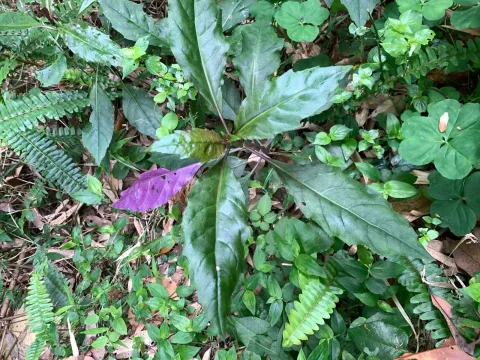
Gynura
Gynura
Gynura is a genus of flowering plants within the Asteraceae family. These plants, often known for their vibrant purple-hued foliage, originate from the tropical regions of Southeast Asia and Africa.
What the section contains
 Climbing Gynura
Gynura scandens
Climbing Gynura
Gynura scandens
 Gynura angulosa
Gynura angulosa
Gynura angulosa
 Gynura bicolor
Gynura bicolor
Gynura bicolor
 Gynura elliptica
Gynura elliptica
Gynura elliptica
 Gynura japonica
Gynura pinnatifida
Gynura pinnatifida
Gynura japonica
Gynura japonica
Gynura pinnatifida
Gynura pinnatifida
 Gynura pseudo-china
Gynura pseudo-china
Gynura pseudo-china
 Gynura zeylanica
Gynura zeylanica
Gynura zeylanica
 Velvet plant
Gynura aurantiaca
Velvet plant
Gynura aurantiaca
Gynura
For optimal growth, Gynura requires bright, indirect light. Excessive direct sunlight can scorch the distinctive velvet-like leaves, while insufficient light leads to leggy stems and loss of color.
The plants thrive in temperatures ranging from 20 to 25 degrees Celsius during the growing season. They prefer well-draining soil that is rich in organic matter, such as a mix of peat, perlite, and humus.
Watering should be balanced; keep the soil consistently moist but never waterlogged. It is crucial to allow the top inch of the soil to dry out before adding more water to prevent root suffocation.
High humidity is beneficial, though the plant can adapt to standard household conditions. It is important to avoid spraying the leaves directly, as trapped water on the hairs can cause decay.
Common pests that target Gynura include spider mites, mealybugs, and aphids, which are particularly troublesome during the winter months when indoor heating lowers the air humidity.
Root rot, caused by overwatering or poor soil drainage, is the most common physiological disorder. Symptoms include yellowing leaves and a soft, decaying base of the stem.
Powdery mildew can occur if the plant is grown in stagnant air conditions with high moisture. Proper spacing and airflow are essential to mitigate this risk.
Regular monitoring of the underside of the leaves is a necessary diagnostic step. If pests are detected, horticultural soap or neem oil is typically effective for treatment.
Maintaining a clean growing environment and isolating infected plants early will prevent the spread of infestations and fungal spores across the entire collection.