
Gynura zeylanica
Gynura zeylanica
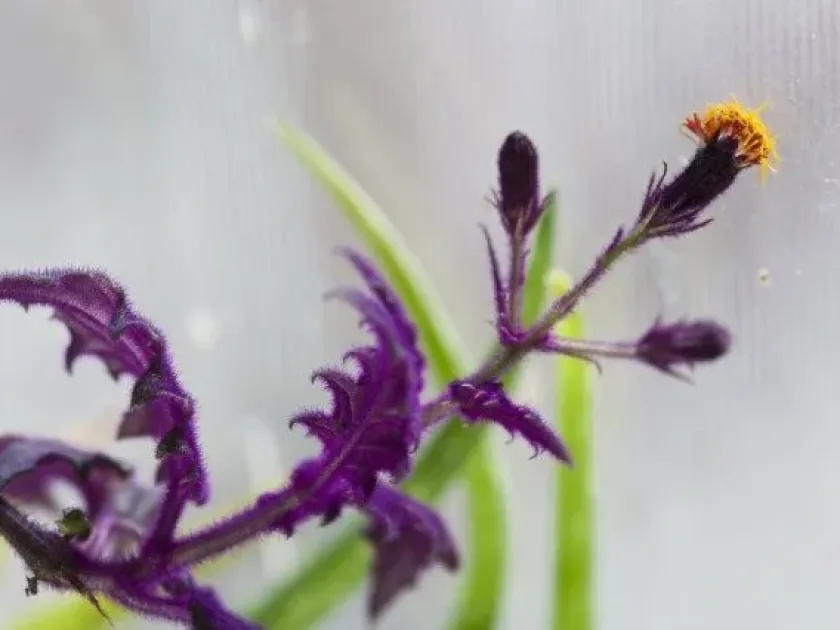
Description
Sowing dates
Gynura zeylanica is a member of the Asteraceae family. This perennial herb is primarily propagated vegetatively, as stem cuttings offer the most consistent results for rapid establishment.
Cuttings should be approximately 10–15 cm long and placed in a well-draining, moist potting medium where they typically develop a robust root system within a few weeks.
The optimal time for propagation is early spring, which coincides with the natural growth cycle and increasing daylight hours necessary for vigorous development.
For best results, maintain a consistent temperature of 22–25 degrees Celsius during the rooting phase to ensure healthy cell division and rapid shoot formation.
Propagating in a sterile environment using a mixture of perlite and peat helps minimize the risk of pathogen attack during the sensitive early stages of growth.
Growing requirements
The plant thrives in warm climates, ideally within a temperature range of 18 to 26 degrees Celsius. Temperatures below 12 degrees Celsius can significantly stunt growth.
Gynura requires bright, indirect sunlight. While it appreciates light, direct midday sun exposure can cause leaf scorching, so shading is recommended in high-intensity light areas.
Soil requirements include a nutrient-rich, neutral-pH substrate that maintains good moisture levels while ensuring excellent drainage to prevent root rot.
Watering should be managed carefully; allow the top layer of the soil to dry out between sessions to maintain a healthy oxygen balance in the root zone.
Ambient humidity plays a crucial role in maintaining leaf quality; supplemental moisture through misting or humidifiers is beneficial in indoor cultivation environments.
Yield
The yield of Gynura zeylanica is driven by the frequency of nitrogen-rich fertilization, which promotes lush, leafy growth suitable for culinary or medicinal use.
By implementing a strategic pruning and harvesting schedule, growers can significantly increase the total biomass produced over a single growing season.
Consistent topping of the stems encourages lateral branching, transforming the plant into a bushy specimen that offers a much higher harvest potential compared to unpruned plants.
With optimal fertilization and light management, the crop can support multiple harvests annually, making it a highly productive herb for greenhouse conditions.
The overall yield is also contingent on the plant's health; keeping the plant free from pests and diseases ensures sustained productivity throughout the life of the crop.
Main diseases and pests
Spider mites are the most common pests associated with this crop, particularly in dry environments where humidity levels fall below acceptable ranges for the plant.
Whiteflies and aphids can also cause significant damage to young foliage, draining sap and potentially spreading viral infections that reduce plant vigor.
Root rot, driven by overwatering or poor drainage, is the primary disease threat. It often manifests as yellowing leaves and wilting despite damp soil conditions.
Integrated pest management strategies, including the use of neem oil or biological controls, are highly recommended to protect the crop without using harsh synthetic chemicals.
- Regular inspection of the underside of leaves
- Maintenance of proper airflow in the cultivation area
- Prompt removal of any wilted or decaying plant parts
Harvesting
Harvesting is performed by carefully snipping stems at a height of 5–7 cm from the base, which promotes the development of new, vigorous secondary shoots.
Timing is critical: harvesting during the morning hours, after the dew has evaporated but before the heat of the day, preserves the highest concentration of active compounds.
Once harvested, the plant material should be dried in a shaded, well-ventilated area to maintain its chemical integrity and prevent the degradation of leaves.
It is essential to stagger harvests across different sections of the crop to ensure a constant supply and to allow the plants sufficient recovery time between cuttings.
Post-harvest care, including light fertilization, is vital to restore nutrient reserves in the mother plant and support the next cycle of leafy production.